
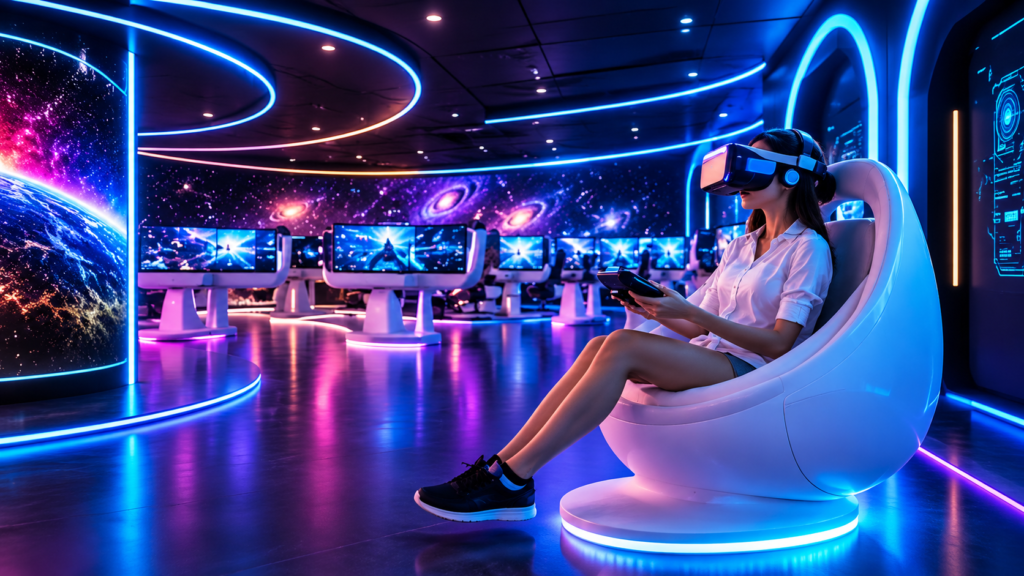
What began as entertainment on a screen has developed into an international spectacle. A new generation of players, spectators, creators and investors is turning competitive gaming into a powerful cultural and commercial force.
The Esports Generation is changing the way the world understands competition. Stadiums are no longer the only places where enormous audiences gather to support their favourite teams. Across digital platforms, professional gaming tournaments attract devoted followers, celebrated players command international attention and online communities build identities around the games they love.
For Gen Z, esports represents more than a pastime. It combines entertainment, technology, competition, friendship and personal ambition. A player can become a professional athlete in a digital arena, a commentator can build an international audience, and a tournament can generate the excitement traditionally associated with major sporting events.
The transformation is creating an industry that deserves to be understood not simply as gaming, but as a new form of global entertainment.
From Bedroom Competition to International Spectacle
Competitive gaming did not emerge overnight. Early gaming competitions were relatively small gatherings, often organised around local communities, universities and specialist gaming events.
As internet connectivity improved and online multiplayer experiences expanded, competition began moving beyond physical locations. Players could challenge opponents across countries, develop teams and participate in organised tournaments without being in the same room.
Streaming platforms accelerated this transformation. Audiences could watch professional players compete in real time, follow tournament schedules and become familiar with teams and personalities.
Games such as League of Legends, Counter-Strike and Dota 2 helped establish professional competitive ecosystems. Their tournaments developed dedicated audiences, professional organisations and international rivalries.
Today, esports has become a recognisable part of the wider entertainment landscape. Its growth reflects a change in how younger audiences consume competition: participation and spectatorship increasingly exist together.
The New Sporting Heroes
Every major sporting culture creates its own personalities. Football has its celebrated strikers, tennis has its champions and motorsport has its legendary drivers. Esports is developing a similar world of recognisable competitors.
Professional gamers are increasingly followed for their individual playing styles, personalities, achievements and team affiliations. Their influence extends beyond tournament performances into interviews, livestreams, online communities and brand collaborations.
This creates a different relationship between competitors and audiences. Fans may watch a player compete professionally, follow their daily content and engage with them through online platforms.
The connection can become intensely personal. A successful player is not simply someone who wins competitions; they can become a representative of a particular game, team or community.
The rise of these personalities also creates new expectations around professional conduct, public reputation and long-term career management. As esports becomes more commercially visible, the people at its centre increasingly operate within an entertainment industry that demands both performance and public engagement.
The Business Behind the Competition
The commercial structure of esports is one of the most interesting parts of its evolution.
Professional tournaments require organisers, production teams, sponsors, broadcasters, venues, technology providers and competing organisations. Their activities create opportunities that extend far beyond the players themselves.
Sponsorship has become particularly important. Technology companies, consumer brands, apparel businesses and entertainment organisations are interested in reaching audiences through gaming communities.
The appeal is not limited to advertising exposure. Esports provides brands with opportunities to participate in tournaments, collaborate with teams, develop exclusive products and become part of established fan cultures.
According to a 2026 study by Niko Partners, Hero Esports and ESL FACEIT Group, the global Gen Z esports audience exceeds 400 million people. The research surveyed thousands of young esports fans across international markets, highlighting the scale of the audience and its engagement with gaming-related content and events.
The figures indicate why businesses are paying closer attention. Esports is not simply competing for entertainment time; it is creating its own commercial relationships, communities and consumer experiences.
Why Gen Z Connects With Esports
One reason esports appeals to younger audiences is its combination of accessibility and participation.
Traditional sporting events often require spectators to follow established schedules, travel to venues or purchase access to broadcasts. Esports audiences can discover competitions through livestreams, short-form videos, online discussions and gaming platforms.
The experience is also interactive. Viewers can discuss performances, follow team developments, share opinions and participate in communities while a tournament is taking place.
Gaming culture creates its own language, humour, traditions and shared references. For many young people, these communities offer a sense of belonging that extends beyond the competition itself.
This does not mean every Gen Z consumer follows esports or plays competitively. Rather, it demonstrates how gaming has developed into a broad cultural environment in which players and spectators can participate in different ways.
The appeal is also becoming more diverse. Women are increasingly visible as players, spectators, creators and participants in gaming events. A genuinely global esports industry will need to make this participation more inclusive and create opportunities across different communities.
Beyond the Screen: The Rise of Live Gaming Events
Although esports is built around digital competition, its influence increasingly extends into physical spaces.
Large tournaments bring players and audiences together in arenas, exhibition centres and entertainment venues. Spectators attend to watch professional teams compete, meet other fans and experience the atmosphere of a live event.
Gaming conventions and esports festivals are also developing into broader cultural gatherings. They can include technology demonstrations, merchandise, creator appearances, interactive experiences and entertainment beyond the tournament itself.
This combination of digital and physical participation is commercially important. It allows esports organisations to build relationships with audiences that continue outside online platforms.
It also challenges the assumption that younger generations are interested only in virtual experiences. The growth of live events suggests that digital communities can create a strong desire for real-world gatherings.
New Careers in a Changing Industry
Professional gaming is only one career possibility within the esports ecosystem.
The industry requires tournament organisers, commentators, coaches, analysts, broadcasters, designers, marketing specialists, event producers and technology professionals.
Content creation has opened additional opportunities. Individuals who understand particular games can build audiences through educational videos, match analysis, entertainment and livestreaming.
However, these opportunities require more than enthusiasm for gaming. Professional organisations need people with communication skills, business knowledge, technical expertise and the ability to work within demanding production environments.
The industry also faces a challenge familiar to many emerging entertainment sectors: creating sustainable career structures. Professional players may have relatively short competitive careers, while smaller organisations can struggle with financial stability.
Long-term development will depend on stronger institutions, responsible management and opportunities that extend beyond individual popularity.
The Global Arena and India’s Opportunity
India has a particularly interesting position within this transformation.
A large digitally connected population, growing gaming communities and an expanding technology ecosystem create opportunities for competitive gaming to develop further.
Mobile gaming has been especially influential in making digital competition accessible to wider audiences. Indian players and creators have helped build communities around games, tournaments and online entertainment.
The country’s opportunity is not limited to producing professional competitors. India can also develop talent in tournament management, game development, broadcasting, event production and digital marketing.
However, sustainable growth requires investment in organised competition, professional standards, infrastructure and responsible gaming environments. It also requires clear distinctions between skill-based esports and activities involving gambling, which raise different legal and social considerations.
International collaboration can help Indian organisations develop stronger competitive structures and connect local audiences with global events.
The Future of Competitive Entertainment
Esports is still developing, and its future will depend on how effectively the industry balances commercial growth with the interests of players and audiences.
Technology will continue to influence how competitions are organised, broadcast and experienced. More sophisticated production, improved connectivity and new forms of interactive entertainment may create opportunities for audiences to engage more deeply with tournaments.
At the same time, the industry must address concerns around player wellbeing, online conduct, fair competition and the financial sustainability of professional teams.
Its credibility will depend on strong governance as much as technological innovation.
The most important shift, however, has already taken place. Competitive gaming has moved beyond the boundaries of a niche hobby and entered the wider cultural conversation.
For the Esports Generation, a digital arena can carry the same emotional intensity as a traditional sporting ground. It can create heroes, rivalries, communities and careers.
The next chapter of global entertainment may not be defined only by what audiences watch. It may increasingly be shaped by the worlds in which they participate, compete and belong.