
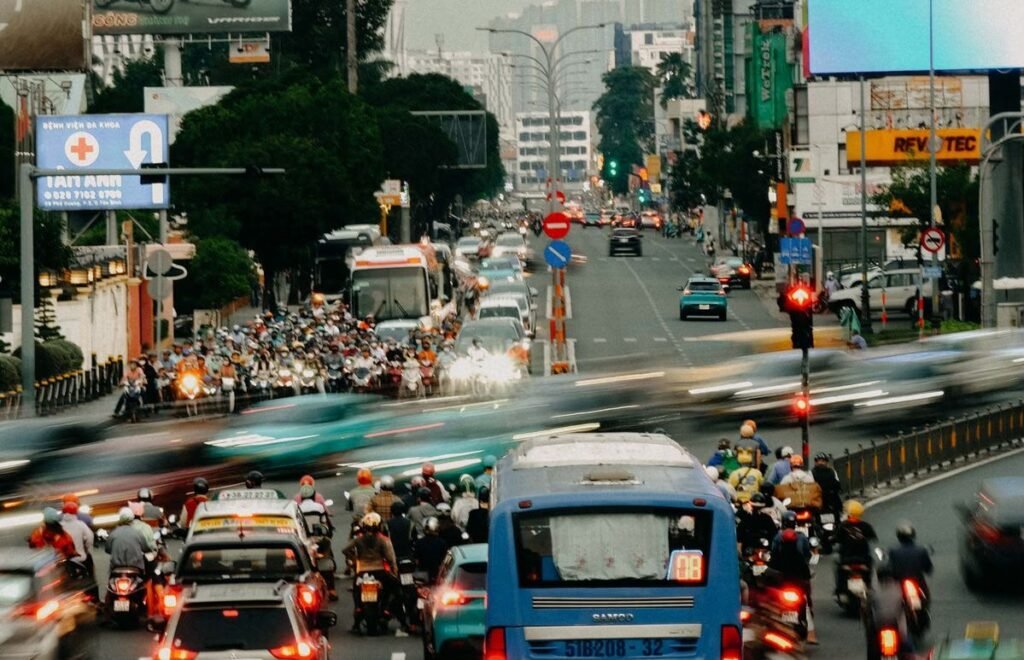
How Electric Innovation, Autonomous Technology, Luxury Transportation, and Sustainable Design Are Transforming the Way the World Moves.
The Future of Mobility is about far more than the vehicles people drive. It represents a transformation in how individuals, businesses, and entire cities move through the world. From electric cars and intelligent transport systems to private aviation and autonomous vehicles, mobility is becoming an important measure of technological progress, economic opportunity, and modern lifestyle.
For generations, transportation was largely defined by distance, speed, and convenience. Today, the conversation has expanded. Design, environmental responsibility, digital intelligence, accessibility, and personal experience are increasingly influencing how mobility is imagined and developed.
Across global markets, movement is no longer simply about reaching a destination. It is about redefining the journey.
A New Era of Transportation
The traditional automotive industry is undergoing a significant transformation. Electric vehicles, connected technology, advanced driver-assistance systems, and software-led vehicle design are changing what people expect from transportation.
The International Energy Agency’s Global EV Outlook 2026 examines the expansion of electric vehicles, charging infrastructure, battery technology, and the policies influencing adoption across different markets. These developments demonstrate that mobility is becoming closely connected to energy systems and digital innovation.
In Europe, established automotive manufacturers are adapting their engineering traditions to electric platforms and new technologies. China has become an important centre of electric vehicle manufacturing and technological development. India is expanding its electric mobility ecosystem, particularly in two-wheelers, three-wheelers, buses, and passenger vehicles.
The transformation is not identical everywhere. Infrastructure, affordability, consumer preferences, and government policy continue to influence how quickly different markets adopt new forms of transport.
The Rise of Electric Luxury
Electric mobility is also changing the language of luxury transportation. For premium automotive brands, the challenge is no longer simply to produce an electric vehicle. It is to combine performance, craftsmanship, comfort, design, and technology into a distinctive experience.
Brands such as Rolls-Royce, Mercedes-Benz, Porsche, and BMW are exploring different approaches to electrification and advanced vehicle engineering. Their work reflects a broader change in expectations: luxury customers increasingly encounter technology as part of the vehicle’s identity rather than as an additional feature.
Electric powertrains can offer quiet operation and immediate acceleration, while digital interfaces create new possibilities for personalisation. Interior design is also evolving, with greater attention to materials, lighting, comfort, and the relationship between technology and craftsmanship.
However, the future of electric luxury depends on more than impressive vehicles. Charging access, battery performance, service networks, and the environmental impact of manufacturing remain important considerations.
Autonomous Mobility and Artificial Intelligence
One of the most significant developments in modern transportation is the growth of autonomous technology. Vehicles equipped with advanced sensors, cameras, computing systems, and artificial intelligence are increasingly capable of assisting drivers and, in certain operating environments, transporting passengers without a human driver.
Autonomous mobility is already moving beyond experimental demonstrations. The International Energy Agency reported in 2026 that commercial driverless taxi services were operating in more than 20 cities worldwide, with activity concentrated particularly in China and the United States.
These services are generally restricted to defined operating areas and conditions. They should not be confused with fully autonomous vehicles that can drive anywhere in every circumstance.
The possibilities extend beyond private cars. Autonomous shuttles, intelligent delivery vehicles, and automated transport systems could change how people and goods move through cities. Yet questions surrounding safety, regulation, cybersecurity, insurance, and public confidence remain central to their wider adoption.
The future will depend not only on what technology can achieve, but also on whether societies can trust it.
Cities Designed Around Movement
Urban mobility is becoming one of the defining challenges of modern city planning. Growing populations, congestion, pollution, and the demand for accessible public transport are encouraging governments and planners to rethink how cities function.
In London, public transport and active travel remain important elements of urban movement. Singapore has developed an integrated approach to public transport and urban planning. Dubai is investing in intelligent transport infrastructure and exploring autonomous mobility. Indian cities are expanding metro networks, electric bus systems, and other public transport options to respond to growing urban demand.
The most effective future cities will not necessarily be those with the greatest number of vehicles. They will be those that make movement more efficient, accessible, and comfortable.
Walking, cycling, metro systems, electric buses, ride-sharing, and private vehicles will increasingly need to work together. This integrated approach is often described as multimodal mobility.
For residents, it can mean fewer unnecessary journeys and more convenient connections. For cities, it can mean better use of infrastructure and public space.
Private Aviation and the Changing Meaning of Access
Mobility also has a premium dimension that extends beyond roads and urban transport. Private aviation, helicopter transfers, luxury rail journeys, and yacht travel continue to shape how affluent individuals experience distance and time.
For business leaders, entrepreneurs, and international families, access to multiple destinations can be an important part of professional and personal life. Private aviation offers flexibility and privacy, while luxury rail journeys provide a different relationship with travel, landscape, and time.
At the same time, these forms of transportation face increasing questions about emissions, efficiency, and environmental responsibility. Developments in sustainable aviation fuel, aircraft design, and operational efficiency are part of the industry’s response, although significant technological and infrastructure challenges remain.
The future of premium mobility will therefore involve balancing exclusivity and convenience with greater accountability for environmental impact.
Sustainable Mobility and Global Responsibility
The future of transportation cannot be discussed without considering sustainability. The movement of people and goods is closely connected to energy consumption, urban air quality, and global emissions.
Electric vehicles are one part of the transition, but sustainable mobility requires a wider approach. Public transport, walkable neighbourhoods, cycling infrastructure, efficient logistics, cleaner aviation technologies, and responsible vehicle manufacturing all contribute to the larger picture.
Different regions face different challenges. European cities often focus on public transport integration and emissions reduction. Asian markets are developing electric two-wheelers and urban transport networks. The Middle East is investing in new infrastructure and smart-city projects, while India faces the combined task of improving accessibility, managing urban growth, and expanding cleaner transport.
There is no single solution for every country. Effective mobility systems must reflect local geography, economic conditions, population needs, and available infrastructure.
Mobility as a Measure of Freedom
Beyond technology and infrastructure, mobility has a deeply human meaning. The ability to travel safely, reach employment, access education, visit family, and participate in society influences individual opportunity and independence.
This is why mobility must also include accessibility. Older people, persons with disabilities, and communities with limited transport options should not be excluded from the benefits of innovation.
A truly advanced mobility system is not defined only by speed or luxury. It is also measured by how effectively it serves different people and makes everyday movement easier.
The Road Ahead
The next chapter of mobility will be shaped by the relationship between technology, design, infrastructure, and human expectations. Electric vehicles will continue to develop, autonomous services may expand, and cities will explore increasingly connected transport systems. Premium travel will also evolve as customers seek greater comfort, flexibility, and more responsible choices.
Yet the most meaningful transformation will not be a single vehicle or invention. It will be the creation of a world in which movement is more intelligent, accessible, efficient, and considered.
Ultimately, the Future of Mobility is not simply about travelling faster or owning a more advanced vehicle. It is about expanding the possibilities of movement and redefining the relationship between people, places, and progress.