

The Rise of the Independent Economic Axis: Why UAE and Regional Markets are No Longer Synchronized with Western Market Volatility.
For decades, the financial health of the Middle East was viewed as a derivative of Western markets. When Wall Street shuddered, the Gulf reacted. However, 2026 marks the definitive end of this synchronization. We are witnessing a historic Middle East Economic Decoupling, where regional markets are demonstrating a “Sovereign Resilience” that operates independently of the volatility seen in the US and Europe.
This is not a matter of luck; it is a matter of architectural design. Through the D33 agenda and similar regional mandates, the UAE has built a firewall between its domestic growth and the inflationary pressures or banking crises of the West. For the global investor, the Middle East is no longer just an “emerging market”, it is the “stabilizing market.”
The Three Pillars of Sovereign Resilience
The ability to remain stable while global markets fluctuate is built on three strategic pillars:
- Diversified Capital Inflow: The UAE has moved beyond a reliance on Western institutional capital, successfully tapping into the India-UAE trade corridor and broader Asian markets.
- Fiscal Autonomy: By utilizing Sovereign Wealth Funds (SWFs) as primary drivers of domestic infrastructure, the region has reduced its dependence on external debt markets that are sensitive to interest rate hikes.
- Commodity Intelligence: While oil remains a factor, the shift toward a “Knowledge Economy” means that the region’s value is increasingly tied to intellectual property, digital assets, and sovereign tech infrastructure.
The Digital Fortress: Protecting the Market Narrative
Volatility is often psychological, driven by algorithmic trading and external media narratives. The Middle East has recognized that to decouple economically, it must also decouple digitally.
The Voxora Engine acts as the digital shield for this economic axis. By hosting market intelligence and VVIP communications on sovereign, UAE-based servers, the region prevents “Soft Intelligence” harvesting by foreign entities who might use that data to trigger speculative volatility. In this ecosystem, the narrative is controlled by those who build the infrastructure, not those who observe it from the outside.
Family Offices as the New Anchor
The role of the Power 100 visionaries and their Family Offices cannot be overstated in this decoupling process. Unlike institutional “hot money” that flees at the first sign of trouble, UAE-based Family Offices are “Anchor Investors.” They are deeply committed to the 100-year legacy of the region.
- Long-Term Liquidity: These offices provide a constant stream of domestic liquidity that buffers the market against external shocks.
- Strategic Reinvestment: Profits made from global trades are increasingly being brought back into the “Digital Moat” of the UAE to fund giga-projects and sovereign tech.
Real Estate: The Physical Store of Sovereign Value
In a world of devalued currencies and digital instability, physical assets remain the ultimate store of value. The Estate category, exemplified by the engineering excellence of Anax Developments, serves as the physical manifestation of this resilience. Investors are moving capital into the UAE not just for luxury, but for the “Sovereign Security” that comes with owning a piece of a decoupled, high-growth economy.
The Rise of the Independent Axis
The Middle East has successfully transitioned from a spectator in the global economy to an independent axis of power. This “Sovereign Resilience” is the new gold standard for the global elite. As Western markets navigate a period of prolonged uncertainty, the UAE offers a blueprint for how a nation can protect its wealth, its narrative, and its future.
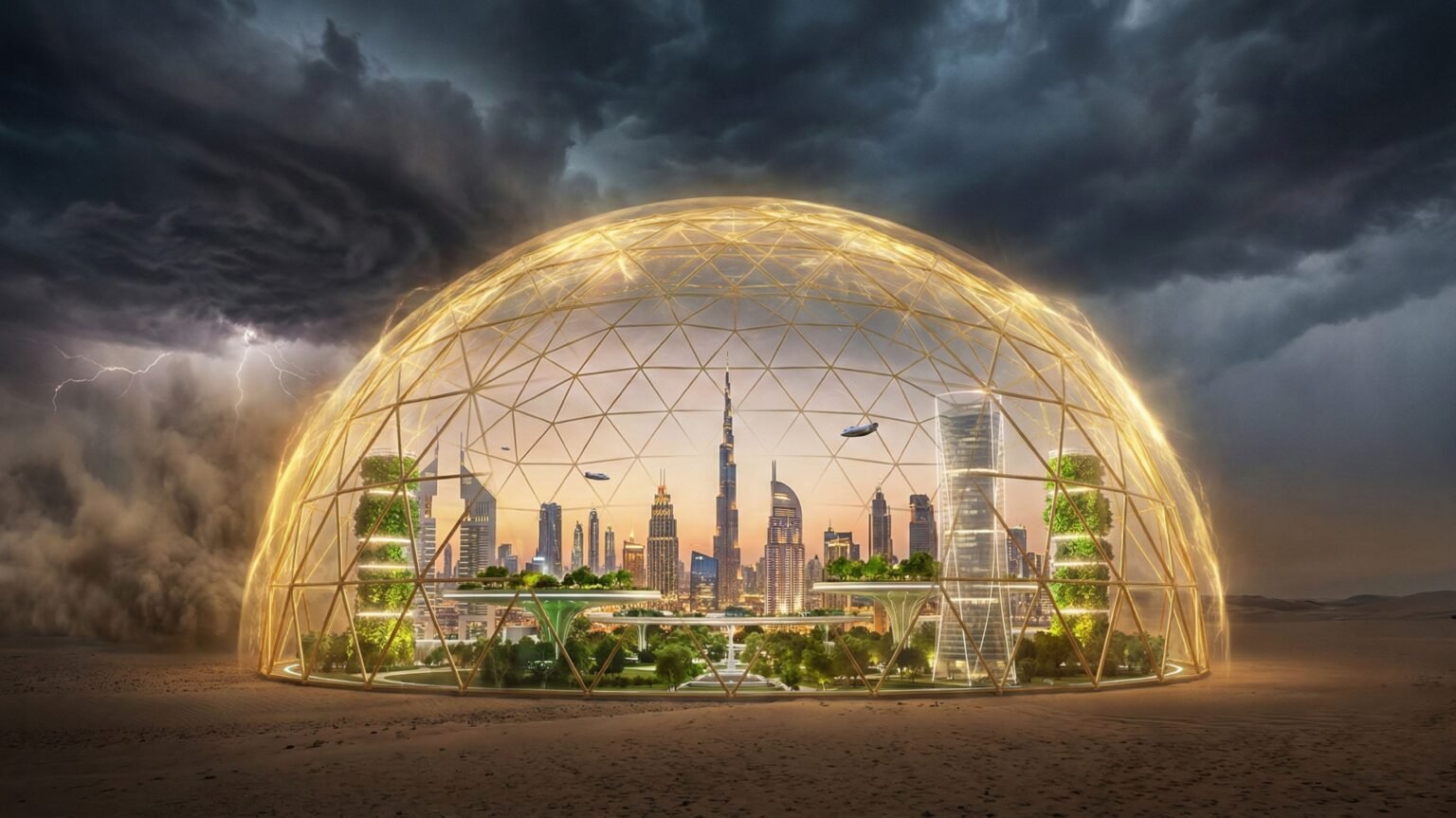
The Anax Power 100 list is a testament to the individuals who have engineered this decoupling. By leveraging Sovereign Media Infrastructure and institutional foresight, they have built a fortress that is not just surviving the global storm, it is thriving in it.