

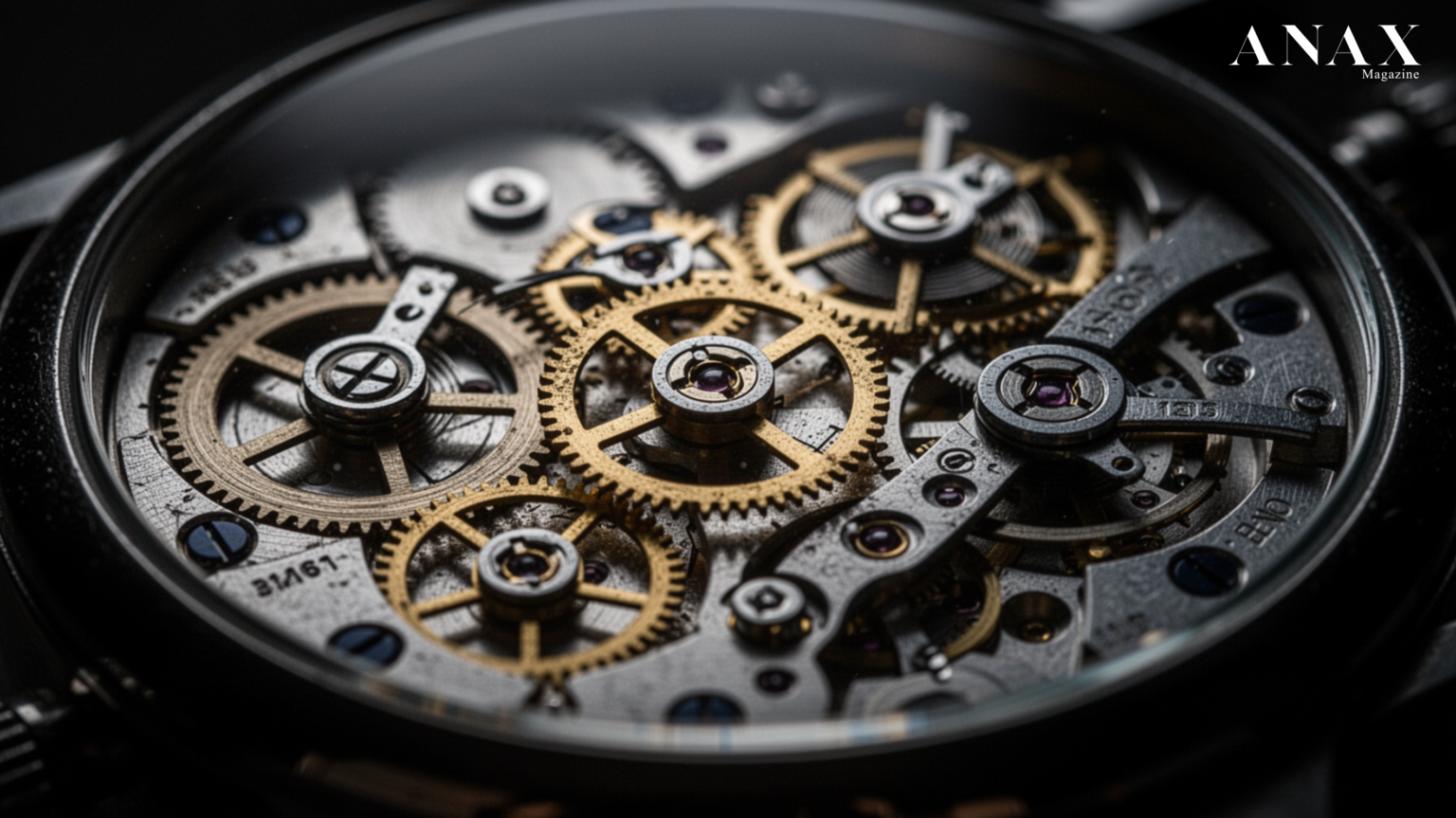
Decoding the Patek Philippe heirloom strategy and why true luxury refuses to cater to immediate gratification.
The Patek Philippe heirloom strategy fundamentally redefines the relationship between capital and possession. While modern consumerism is built on rapid obsolescence and the immediate gratification of the newly wealthy, the sovereign elite operate on a profoundly different timeline. The manufacture’s famous declaration, that one never actually owns their timepiece, but merely looks after it for the next generation, is not simply a marketing slogan; it is a psychological doctrine of legacy. It transforms a mechanical object into a solemn duty of stewardship.
The Rejection of Instant Gratification
The architecture of this doctrine relies on the calculated orchestration of scarcity. The Patek Philippe heirloom strategy strips away the illusion of permanent, individual ownership. This aligns perfectly with the ethos of historic wealth, where capital and assets are preserved for the bloodline, not liquidated for personal indulgence. According to alternative asset analyses by the , the secondary market for these specific timepieces functions more like the trading of sovereign bonds or blue-chip fine art than commercial luxury goods.
By refusing to scale production to meet the aggressive demands of the global market, the Geneva-based firm retains absolute geopolitical control over its brand equity. This engineered exclusivity ensures that acquiring a highly complicated reference requires more than mere liquidity; it requires an established pedigree, patience, and institutional relationships.
The Mechanics of the Patek Philippe Heirloom Strategy
The genius of the Patek Philippe heirloom strategy lies in its perfect alignment with dynastic succession. It acts as a physical anchor for intergenerational transfer. As we have documented extensively in the sovereign archives of , true institutional wealth demands assets that cannot be instantly acquired by newly minted millionaires. The waitlists serve as a filter, separating those with transient cash from those with enduring influence.
Economic data tracking tangible assets via consistently demonstrates that such heritage items offer formidable insulation against fiat inflation and market volatility. Furthermore, as the affluent classes in emerging markets mature, noted by regional publications like , there is a distinct pivot towards this European model of generational asset preservation. The timepiece becomes a quiet signal of permanent arrival.
The Future of Heritage Assets
As digital currencies and transient technological trends dominate the broader global economy, the commitment to analogue permanence becomes the ultimate luxury. The strategy ensures that the physical object, much like the family name attached to it, survives the relentless friction of time. For the sovereign individual, purchasing such an asset is an act of defiance against mortality, securing a silent legacy that will tick quietly on the wrist of an heir they may never meet.