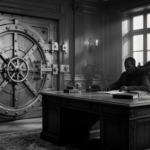


How Vatican Bank sovereign secrecy transforms the Institute for the Works of Religion into an impenetrable fortress, entirely immune to the jurisdiction of secular financial architecture.
In an era where global financial systems are increasingly subjected to the relentless glare of regulatory compliance and digitized surveillance, true financial anonymity is a vanishing luxury. The modern billionaire is tethered to a grid of transparency, forced to navigate an inescapable web of asset disclosures, tax treaties, and cross-border reporting. Yet, for those who study the architecture of absolute power, one institution remains a masterclass in impregnable opacity. To comprehend the mechanics of Vatican Bank sovereign secrecy is to observe the ultimate intersection of divine authority and terrestrial wealth. It is a financial ecosystem operating not merely offshore, but essentially within another realm of jurisdiction altogether.
The Architecture of the IOR
The Institute for the Works of Religion (IOR), colloquially known as the Vatican Bank, was officially established in 1942, though the meticulous management of papal assets stretches back through centuries of European history. Unlike commercial banking institutions that derive their power from market capitalisation and shareholder equity, the IOR is anchored in the absolute sovereignty of the Holy See. This distinction is paramount.
When evaluating the geopolitical weight of this institution, one must recognise that it does not answer to the European Central Bank, the Federal Reserve, or any secular regulatory body. It answers solely to the Supreme Pontiff. This structural isolation creates a diplomatic moat that no amount of hostile corporate litigation or aggressive state sanction can breach. The bank is a sovereign entity operating entirely within the walled enclave of another sovereign entity, creating a compounding layer of legal protection that secular billionaires can only dream of possessing.
The Legal and Spiritual Moat
The mechanism that sustains this fortress is a highly sophisticated blend of diplomatic immunity and religious exceptionalism. While traditional offshore havens like the Cayman Islands or Switzerland rely on statutory laws that can easily be rewritten under international pressure, the Vatican’s financial autonomy is protected by international treaties, most notably the Lateran Treaty of 1929.
As financial correspondents at the Financial Times have frequently documented during periods of European banking reform, penetrating the IOR requires navigating a labyrinth of canon law and international diplomatic protocol. The secular world cannot simply issue a subpoena to the heavens. If a sovereign nation attempts to seize assets or demand transparency, it is not merely engaging in a financial dispute; it is initiating a diplomatic conflict with the spiritual leader of over a billion individuals. This provides the ultimate geopolitical leverage.
The Currency of Absolute Discretion
For the sovereign elite and legacy families, the allure of the Vatican model is not necessarily rooted in religious piety, but in the profound tactical advantage of unassailable discretion. As we have previously explored in our analyses of institutional longevity within Anax Magazine, true sovereignty requires independence from the fiat systems of competing nations.
The Vatican Bank sovereign secrecy provides precisely this independence. Accounts are notoriously restricted to Catholic clergy, religious orders, Vatican employees, and a highly select group of accredited diplomats. However, the exact nature of the assets held—ranging from vast global real estate portfolios across prime European capitals to undisclosed gold reserves—remains one of the most fiercely guarded mysteries in modern finance. The bank operates without the necessity of issuing public quarterly reports or satisfying the anxieties of retail investors. It exists solely to perpetuate the institution it serves.
Navigating the Era of Transparency
In recent decades, under immense pressure from global anti-money laundering watchdogs, the Vatican has made highly publicised gestures toward financial transparency. High-profile audits have been conducted by external secular firms, and internal regulatory frameworks have been ostensibly modernised to appease European authorities.
Yet, seasoned observers of geopolitics, such as the macroeconomic analysts at Bloomberg, understand that such concessions are often masterful acts of diplomatic theatre. The core doctrine of Vatican Bank sovereign secrecy remains fundamentally intact. A sovereign entity may allow secular auditors to view the antechamber and review the procedural manuals, but they will never hand over the keys to the inner sanctum. The sovereignty of the institution dictates that any transparency is granted as a courtesy, not as a legal obligation.
The Aesthetics of Holy Capital
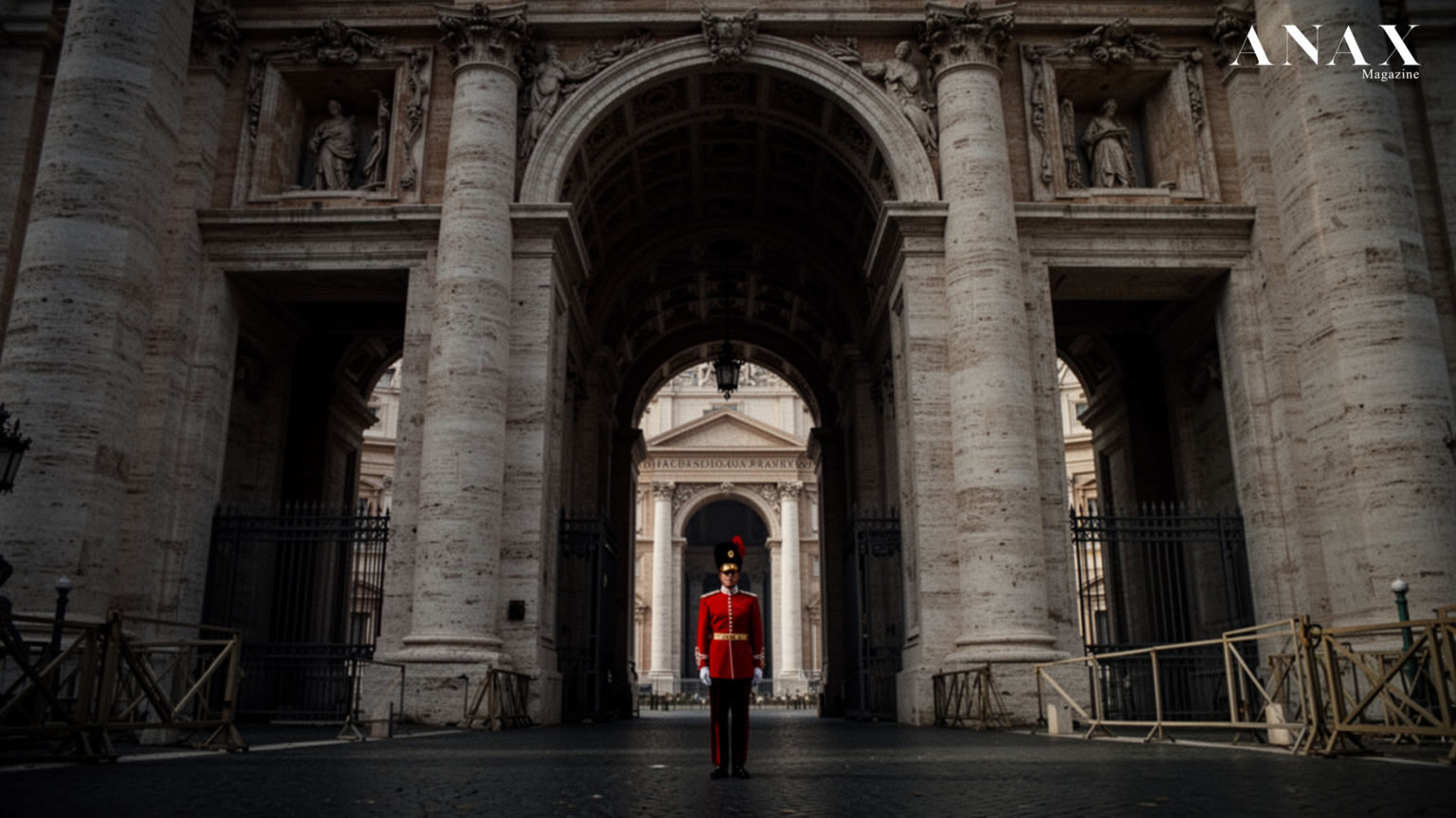
There is also a profound psychological component to this accumulation of wealth. It is wrapped in the aesthetics of asceticism. While a Wall Street hedge fund projects power through towering glass skyscrapers and aggressive media posturing, the IOR projects power through ancient stone, Swiss Guards, and centuries of unbroken tradition.
This juxtaposition of spiritual mission and material dominance is incredibly potent. As noted in the geopolitical insights of The Nation ME, institutions that endure for millennia do so by masking their raw geopolitical weight behind a veil of higher purpose. The Vatican does not need to boast of its wealth because its authority is written into the skyline of Rome itself.
The Future of Institutional Wealth
As the digital footprint of the average ultra-high-net-worth individual continues to expand, the premium placed on absolute, unyielding discretion will only compound. The technologists of Silicon Valley may possess staggering capital, but they do not possess the architectural immunity of a sovereign state.
The Vatican remains the ultimate historical blueprint for the preservation of legacy. It proves unequivocally that the most secure vault on earth is not built with steel, biometric encryption, or blockchain technology. It is built with the unyielding authority of sovereign law and the profound, intimidating silence of history.