Classical dance occupies a distinctive place in the world of cultural heritage, artistic refinement, and traditional expression. Across centuries, it has preserved stories, spiritual philosophies, royal traditions, and the artistic identities of civilisations through movement, rhythm, and expression.
Within the world of the inner circle, classical dance represents more than an artistic performance. It reflects a longstanding relationship between culture, patronage, education, and the preservation of heritage.
From the historic courts of India to the grand theatres of Europe, classical dance has evolved through traditions shaped by royal households, cultural institutions, distinguished performers, and generations of dedicated practitioners.
Its enduring appeal lies in its ability to connect the past with the present, preserving the elegance of established traditions while continuing to inspire contemporary audiences.
The Heritage of Classical Dance
Classical dance traditions have developed across cultures, each shaped by distinct histories, philosophies, musical systems, and social environments.
In India, classical dance forms such as Bharatanatyam, Kathak, Odissi, Kuchipudi, Mohiniyattam, Manipuri, Kathakali, and Sattriya carry centuries of artistic and cultural significance.
Many traditions evolved through temple practices, royal patronage, regional storytelling, and devotional expression. Their movements, gestures, costumes, and musical compositions reflect the cultural identities of the communities from which they emerged.
In Europe, classical ballet developed through court traditions and theatrical institutions, eventually becoming one of the world’s most recognised forms of classical performance.
Across these traditions, dance has remained an important medium through which societies preserve artistic knowledge and transmit cultural memory.
Classical Dance and Royal Patronage
Historically, royal households and aristocratic institutions played an important role in supporting the development of classical dance.
In India, several princely courts supported musicians, dancers, poets, and other artists. Patronage provided opportunities for artistic experimentation, training, and the preservation of performance traditions.
Kathak, for example, developed through a complex history involving storytelling, devotional traditions, and the cultural environments of North Indian courts.
Similarly, classical ballet flourished through the patronage of European royal courts before developing into a professional theatrical art.
These relationships between artistic practice and cultural institutions helped establish dance as an important expression of refinement, education, and cultural identity.
Today, the legacy of patronage continues through cultural foundations, festivals, private collectors, educational institutions, and philanthropic initiatives that support classical performers and preserve traditional arts.
The Discipline Behind the Performance
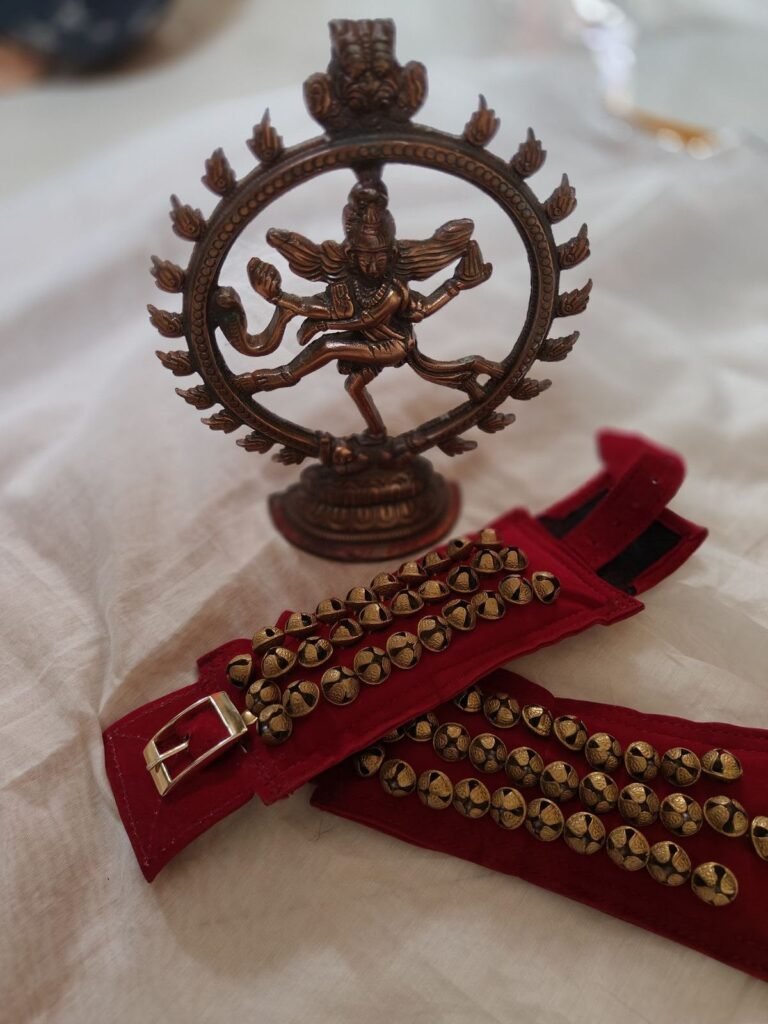
The elegance of classical dance is supported by years of rigorous training.
A performer develops precise movements, musical awareness, physical control, expressive ability, and an understanding of the tradition’s cultural and artistic foundations.
In Indian classical dance, the relationship between movement, rhythm, gesture, and expression is particularly significant.
Hand gestures, known as mudras, may communicate symbolic meanings. Facial expressions contribute to storytelling, while rhythm and footwork create a relationship between the dancer and the accompanying music.
In ballet, discipline is expressed through posture, balance, alignment, and the precise execution of movement.
Behind every performance lies an extensive process of practice and refinement.
The apparent ease of a dancer’s movements is often the result of years of dedication, repetition, and artistic development.
Classical Dance as Cultural Sophistication
Classical dance has long been associated with cultural education and refined artistic appreciation.
For many families and cultural communities, exposure to classical dance begins early through music lessons, performances, cultural festivals, and artistic education.
The experience encourages an appreciation of rhythm, storytelling, discipline, and the history of different traditions.
In established cultural circles, classical dance may also form part of a broader engagement with the arts, alongside opera, classical music, theatre, architecture, and literature.
Attending a performance can become an opportunity to understand a tradition more deeply, rather than simply observing its visual beauty.
The cultural significance of classical dance lies in the knowledge it carries and the artistic relationships it preserves.
The Role of Cultural Institutions
Cultural institutions have played a significant role in sustaining classical dance across generations.
Theatres, academies, museums, festivals, and cultural foundations provide spaces where artists can train, perform, and share their work with new audiences.
In India, institutions such as the Sangeet Natak Akademi contribute to the recognition and preservation of performing arts traditions.
Internationally, established ballet companies and cultural organisations support the development of classical performance through training programmes, productions, and educational initiatives.
These institutions help ensure that classical dance remains a living art rather than a historical reference.
Their work also creates opportunities for young performers to learn from experienced artists and develop their own interpretations of traditional forms.
The Art of Performance and Presentation
Classical dance performances are shaped by more than choreography.
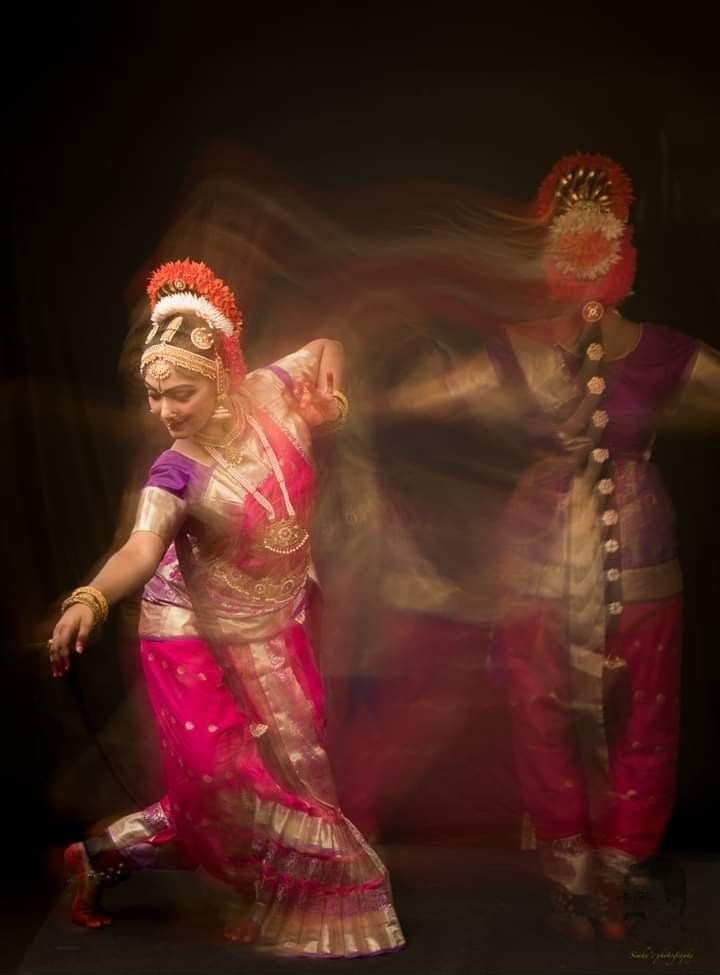
Costume, jewellery, music, lighting, stage design, and the atmosphere of the venue contribute to the overall experience.
In Indian classical dance, traditional costumes and jewellery may reflect the cultural identity of the dance form and the character being portrayed.
In ballet, costumes and stage settings often draw upon the visual language of the production, whether historical, romantic, or contemporary.
The presentation is carefully considered, but its purpose is not simply visual spectacle.
Every element supports the movement, music, and narrative of the performance.
A successful classical dance presentation allows the audience to experience the tradition through its artistic details.

Classical Dance in the Modern World
While classical dance is deeply rooted in heritage, it continues to evolve.
Contemporary performers explore new venues, collaborate across artistic disciplines, and introduce traditional forms to audiences unfamiliar with their histories.
Digital platforms have also expanded the visibility of classical dance, allowing performances, educational programmes, and cultural discussions to reach international audiences.
However, the preservation of classical dance requires more than visibility.
It depends on sustained training, access to education, institutional support, and respect for the cultural traditions that give each form its meaning.
The challenge is to encourage innovation without losing the artistic principles and historical knowledge that make classical dance distinctive.
The Enduring Elegance of Classical Dance
Classical dance remains one of the most compelling expressions of cultural heritage.
Its beauty lies not only in movement, costume, or music, but in the traditions, discipline, and artistic knowledge carried through generations.
For the inner circle, classical dance offers a meaningful connection to cultural refinement, artistic patronage, and the preservation of heritage.
It reminds audiences that true sophistication is not defined solely by material luxury. It can also be expressed through the appreciation of art, the understanding of tradition, and the commitment to preserving cultural knowledge.
Ultimately, classical dance continues to endure because it offers something timeless: a connection between history and expression, discipline and beauty, heritage and contemporary life.
Through its movements, stories, and traditions, it preserves the cultural memory of societies while continuing to inspire generations of artists and audiences.