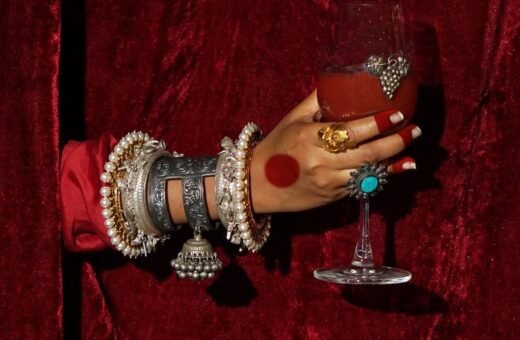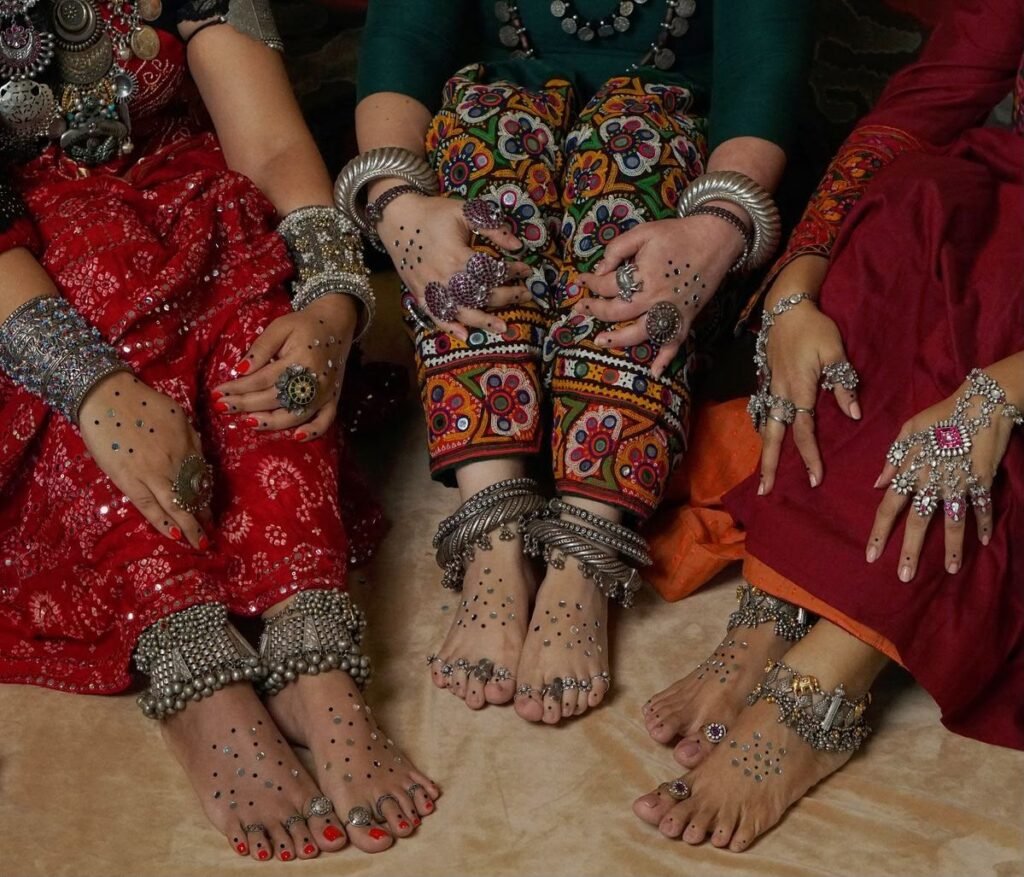
There are certain objects that carry more than beauty. They hold memories, traditions, and stories that travel across generations. In India, jewellery has long occupied this special place.
A necklace passed down from a grandmother, a pair of gold bangles worn at a wedding, or an intricately crafted ornament preserved within a family collection can hold significance far beyond its material value. These pieces connect people to their ancestry, cultural identity, and the moments that shape their lives.
Traditional Indian jewellery is not simply an expression of adornment. It is a reflection of a civilisation whose artistic traditions have developed over thousands of years.
From the ancient beadwork of the Indus Valley civilisation to the elaborate jewels of royal courts and the distinctive ornaments of India’s many regions, jewellery has evolved alongside the country’s history. It has been shaped by craftsmanship, cultural exchange, religious traditions, personal expression, and changing ideas of beauty.
Today, as contemporary fashion embraces heritage-inspired design, traditional Indian jewellery continues to find new relevance. Its enduring appeal lies in the remarkable relationship between artistry and meaning.
A Heritage That Begins in Antiquity
The story of Indian jewellery reaches back to some of the earliest urban civilisations of the subcontinent.
Archaeological discoveries from the Indus Valley civilisation have revealed beads, bangles, and other ornaments made from materials such as gold, shell, stone, and faience. These objects demonstrate the skill and creativity of early artisans and the importance of adornment in ancient communities.
Over centuries, jewellery developed alongside changing social structures, trade networks, religious practices, and artistic traditions.
Ornaments were created from a wide range of materials. Gold and silver were valued for their beauty and durability, while beads, shells, semi-precious stones, and other materials allowed artisans to create distinctive forms of decoration.
Jewellery also appeared in sculpture, paintings, and literary traditions, offering glimpses of how people adorned themselves across different periods.
The continuity of Indian jewellery craftsmanship is remarkable. Although designs and techniques have changed, the desire to create ornaments that carry beauty and meaning remains deeply rooted.
The Language of Indian Ornaments
One of the most fascinating aspects of traditional Indian jewellery is its extraordinary vocabulary of forms.
Every ornament has its own shape, placement, and visual character. Some are designed to frame the face, others to adorn the neck, wrists, waist, or ankles. Certain pieces are associated with particular ceremonies, while others have become part of everyday cultural dress.
The maang tikka adorns the forehead. The nath is a traditional nose ornament. Jhumkas are distinctive earrings, often designed with a bell-like form. The kada and chudi are traditional forms of wrist jewellery, while the payal adorns the ankles.
Necklaces range from close-fitting collars to long, layered designs. Some feature intricate goldwork, while others incorporate pearls, gemstones, beads, or elaborate pendants.
These ornaments are not uniform across India. Their forms, names, materials, and meanings vary considerably by region and community.
The diversity of Indian jewellery reveals how adornment can become a language of cultural expression—one that is understood through craftsmanship, tradition, and the details of design.

The Royal Influence: Jewellery as Art and Authority
Royal courts played an important role in the history of Indian jewellery.
Across different kingdoms and dynasties, rulers and members of royal households commissioned elaborate ornaments that reflected wealth, artistic taste, and social position.
Jewellery could become an expression of authority. Precious stones, finely worked gold, elaborate necklaces, and ceremonial ornaments formed part of the visual culture of royal life.
The Mughal period is particularly associated with elaborate gemstone jewellery, refined craftsmanship, and the development of distinctive decorative styles. Royal patronage brought skilled artisans into courtly workshops, where jewellery was created alongside other forms of luxury art.
The influence of royal traditions can be seen in techniques such as kundan and meenakari.
Kundan jewellery is associated with a refined method of setting gemstones within gold. Meenakari involves decorating metal surfaces with coloured enamel, often producing intricate designs on the reverse as well as the visible front.
These techniques helped establish a visual language that continues to influence Indian jewellery design.
Royal jewellery was not simply an accumulation of precious materials. It represented the relationship between craftsmanship, patronage, cultural identity, and power.
The Beauty of Regional Craftsmanship
India’s jewellery heritage cannot be understood through one style alone. Its richness lies in the extraordinary diversity of regional traditions.
Rajasthan: Kundan, Meenakari, and Polki
Rajasthan is widely associated with elaborate gemstone jewellery, intricate enamel work, and traditional designs influenced by royal patronage.
Kundan and meenakari are particularly prominent in the region’s jewellery traditions. Polki jewellery, made using uncut diamonds, is also associated with traditional Indian bridal and ceremonial adornment.
The visual appeal of these pieces lies in their richness of detail, colour, and craftsmanship.
South India: Temple Jewellery
South Indian jewellery is celebrated for its sculptural goldwork and designs inspired by religious imagery, nature, and traditional artistic forms.
Temple jewellery often features motifs of deities, flowers, and symbolic figures. Its relationship with classical dance traditions is particularly significant, as ornaments have formed part of the visual presentation of dancers for generations.
These pieces reflect the close relationship between jewellery, devotion, performance, and artistic heritage.
Maharashtra: The Thushi and Traditional Goldwork
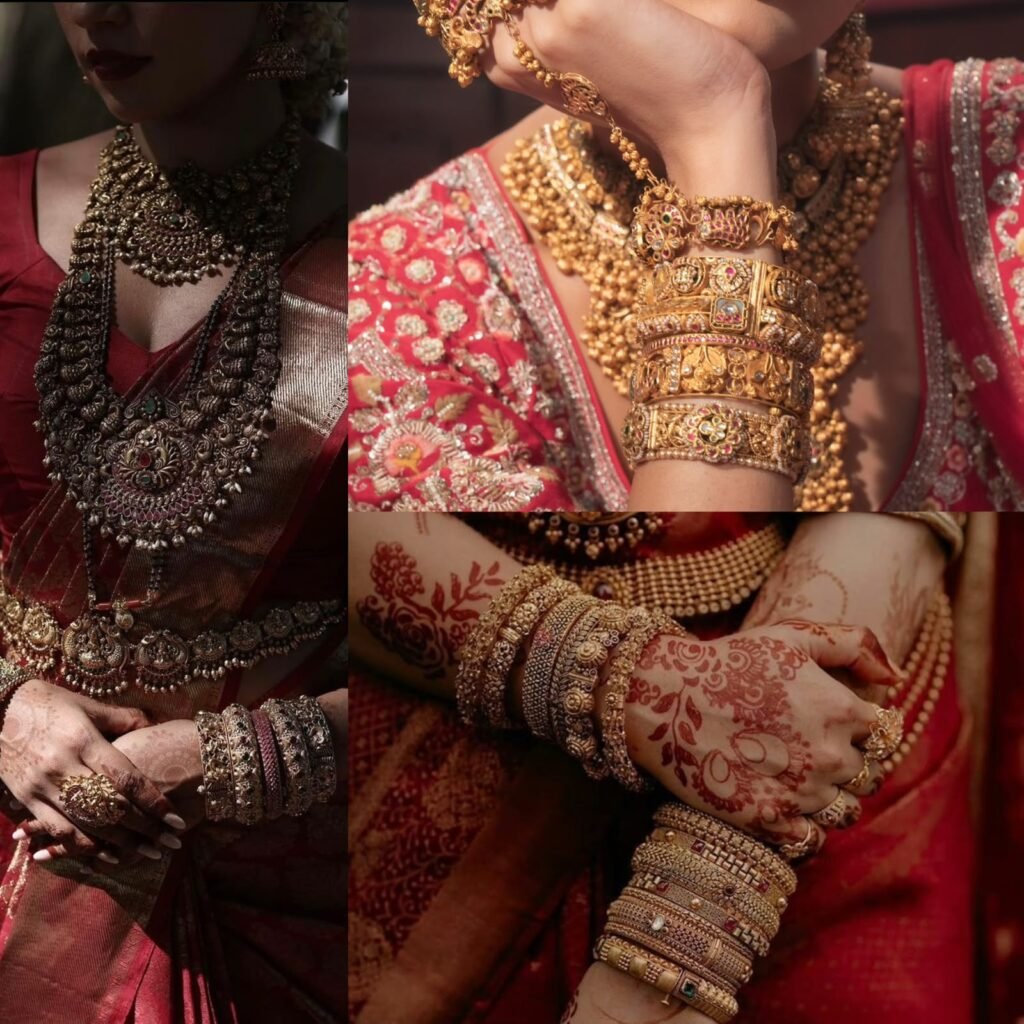
The thushi is a distinctive Maharashtrian necklace traditionally made with closely arranged gold beads.
Its compact form and detailed construction give it a unique character. It is often associated with traditional Maharashtrian bridal attire and ceremonial dressing.
The thushi illustrates how regional jewellery can remain recognisable through its form, even as materials and contemporary styling evolve.
Bengal: Filigree and Delicate Ornamentation
Bengal has a rich tradition of gold jewellery and intricate ornamentation.
Filigree, a technique involving delicate metal threads arranged into decorative patterns, is an important part of the wider jewellery heritage of eastern India, particularly Odisha, and has influenced regional aesthetics across the subcontinent.
The beauty of these designs lies in their intricacy. Delicate patterns create visual richness without relying only on the weight or size of the ornament.
Gujarat and Tribal Jewellery Traditions
Across Gujarat and other parts of western India, jewellery traditions include distinctive silver ornaments, beadwork, and regional designs.
In many tribal communities, jewellery has carried meanings connected to identity, community, ceremonial life, and cultural belonging.
These traditions remind us that Indian jewellery is not defined exclusively by gold and precious gemstones. Its heritage includes a wide range of materials, techniques, and artistic expressions.

Jewellery and the Indian Wedding Tradition
Few occasions bring the significance of traditional Indian jewellery into sharper focus than a wedding.
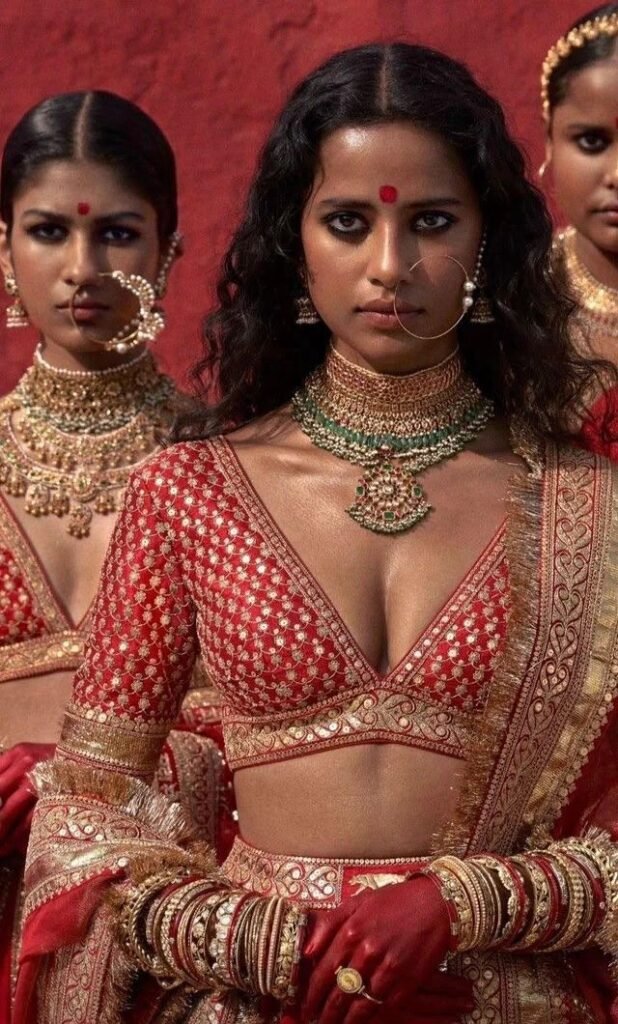
Across many Indian communities, bridal jewellery forms an important part of ceremonial attire. Ornaments may be selected for their beauty, their cultural associations, their family significance, or the traditions connected to a particular community.
A bridal necklace may be part of a family collection. Bangles may be gifted by relatives. Certain ornaments may be associated with marriage rituals or regional customs.
The jewellery worn by a bride can bring together several layers of meaning: personal style, family heritage, cultural identity, and the symbolism of a new chapter.
Yet bridal jewellery is not one universal tradition. Its forms and significance vary across regions, religions, communities, and families.
This diversity is part of what makes Indian wedding jewellery so compelling. Each tradition carries its own distinctive aesthetic and history.
The Heirloom: Jewellery That Outlives Its Owner
Perhaps the most enduring aspect of traditional Indian jewellery is its relationship with inheritance.
A family ornament may pass from one generation to another, carrying memories of weddings, celebrations, and important milestones.
Unlike many fashion objects, heirloom jewellery is often valued not only for its material or craftsmanship, but also for the people who wore it before.
A necklace may remind someone of a grandmother. A pair of bangles may have been worn by several generations. An ornament may be carefully preserved for a future wedding or family occasion.
These pieces become part of a family’s visual history.
Their value is not always easily measured. A jewel may carry emotional significance that cannot be expressed through its gold weight or gemstone quality.
This is one of the reasons jewellery occupies such a distinctive place in Indian cultural life. It can be both a personal possession and a shared family legacy.
Gold, Security, and Cultural Meaning
Gold has long held an important place in Indian life.
Its significance extends beyond adornment into cultural practices, celebrations, gifting, and family wealth. Gold jewellery has often served as a form of personal and household asset, although its ownership and financial role have varied across communities and generations.
In some traditions, jewellery gifted to a woman may form part of her personal wealth and security. The concept of stridhan, often discussed in the context of gifts and property received by women, has a long and complex history within Indian society.
However, the meaning and legal treatment of such assets should not be simplified into one universal custom.
Gold jewellery also carries religious and ceremonial associations. It may be gifted during weddings, festivals, births, and other significant occasions.
Its importance reflects a relationship between material value and cultural meaning that remains central to many Indian families.
From the Traditional Jewellery Box to Contemporary Fashion
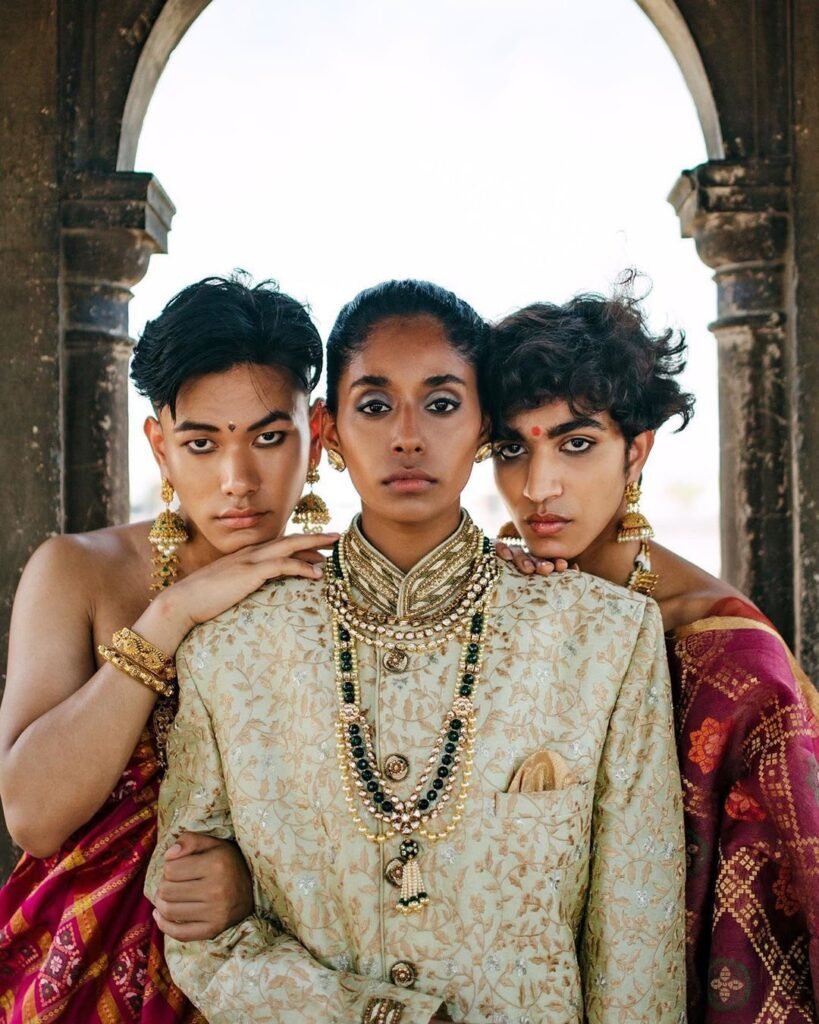
Traditional Indian jewellery continues to influence modern design.
Contemporary designers reinterpret heritage techniques through new silhouettes, lighter constructions, and combinations of traditional and modern materials.
A traditional necklace may be styled with a contemporary outfit. Antique-inspired earrings may appear in modern eveningwear. Regional jewellery forms may be adapted for everyday use.
This evolution does not necessarily mean abandoning tradition.
Instead, it allows heritage to become part of contemporary life. A piece of jewellery can retain its cultural inspiration while being worn in new ways by a new generation.
The renewed interest in craftsmanship, distinctive materials, and meaningful design has also encouraged designers and collectors to look more closely at India’s regional jewellery traditions.
The challenge is to reinterpret these traditions with care, recognising the cultural histories and artisans behind them.
The Artisans Behind the Ornament
Behind every intricate jewel is a maker.
Goldsmiths, stone setters, enamel artists, engravers, and other skilled artisans contribute to the creation of traditional Indian jewellery.
Their expertise often involves techniques learned through years of practice and, in some cases, passed down through generations.
The work may require patience, precision, and an understanding of how different materials behave.
A finished ornament can conceal many stages of craftsmanship: preparing the metal, shaping the design, setting stones, applying enamel, polishing surfaces, and completing the final details.
Preserving these skills is an important part of preserving jewellery heritage.
As fashion and manufacturing change, supporting skilled artisans and responsible production can help ensure that traditional techniques remain part of India’s creative future.
The Future of Indian Jewellery Heritage
Traditional Indian jewellery continues to evolve.
Designers are exploring lighter forms, contemporary styling, and new ways of combining heritage techniques with modern aesthetics. Collectors are rediscovering older pieces, while younger generations are finding ways to incorporate traditional ornaments into their personal style.
The future of Indian jewellery will depend on the relationship between preservation and innovation.
Heritage must remain more than a visual reference. It must also recognise the craftsmanship, cultural knowledge, and communities that sustain these traditions.
When traditional techniques are respected and thoughtfully reinterpreted, jewellery can remain relevant without losing its identity.
More Than an Ornament
Traditional Indian jewellery tells a story that extends far beyond the objects themselves.
It is a story of ancient craftsmanship, regional diversity, royal patronage, cultural identity, family memory, and artistic expression.
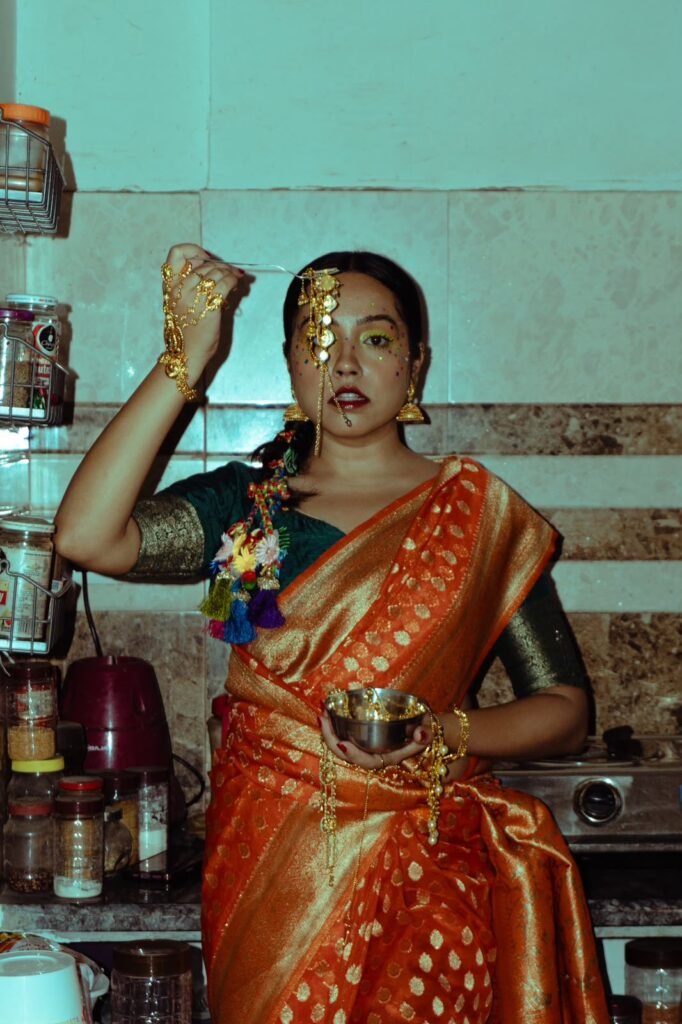
A jewel may be admired for its gold, gemstones, or intricate design. But its deepest significance often lies in what it represents: a tradition preserved, a memory carried, a milestone celebrated, or a legacy passed forward.
As Indian jewellery continues to evolve, its enduring beauty lies in this connection between the past and the present.
The ornament may change. The setting may become contemporary. The way it is worn may be different.
But the story it carries can remain timeless.