
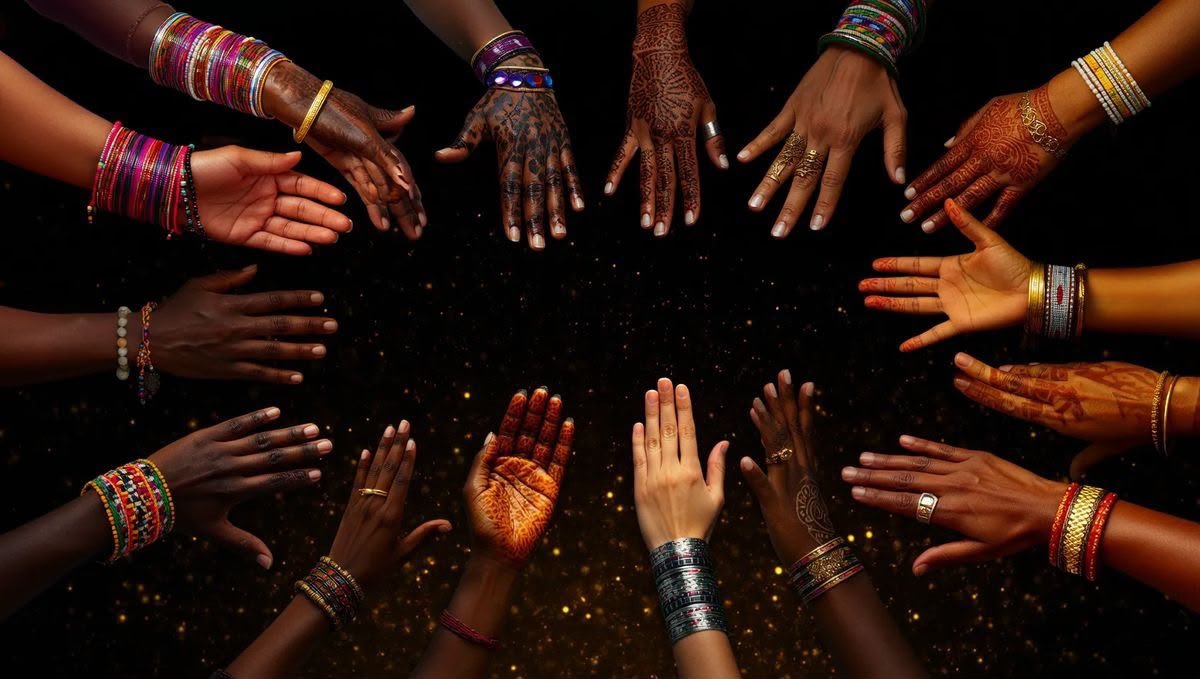
In influential circles, the smallest gesture can carry a meaning far greater than its appearance. The way a person enters a room, addresses a guest, observes a tradition, or responds to a moment of disagreement can communicate respect, confidence, and cultural awareness. These details are not merely matters of personal style. They form part of the language through which relationships are established and reputations are shaped.
Cultural protocols operate at the intersection of etiquette, diplomacy, and social understanding. They provide a framework for navigating unfamiliar environments, recognising differences, and communicating with dignity. Whether in diplomatic encounters, institutional settings, formal gatherings, or international business, the ability to understand and observe cultural expectations can influence how trust is built.
In a world where relationships increasingly cross borders, cultural awareness has become an essential dimension of influence.
Beyond Etiquette: The Meaning of Protocol
Etiquette is often understood as the practice of considerate behaviour in social interactions. Protocol, however, extends into the formal structures that guide official and institutional relationships.
Diplomatic protocol may govern precedence, forms of address, ceremonial arrangements, and the order in which official interactions take place. Etiquette shapes the interpersonal conduct through which those interactions are experienced.
Although the two are closely connected, they serve distinct purposes. Protocol establishes an agreed framework, while etiquette helps individuals navigate it with courtesy and sensitivity.
Neither should be mistaken for superficial formality.
A well-observed protocol can reduce uncertainty in an unfamiliar setting. Thoughtful etiquette can prevent embarrassment, communicate consideration, and make a difficult conversation more constructive.
The value lies not in displaying knowledge of rules, but in understanding what those rules are intended to protect: respect, dignity, and the possibility of meaningful exchange.
Cultural Awareness as a Form of Influence
Culture shapes how people interpret communication, relationships, hierarchy, time, hospitality, and disagreement.
A gesture considered welcoming in one context may be inappropriate in another. A direct response may be appreciated in one environment but perceived as discourteous elsewhere. Expectations around personal space, introductions, gifts, or forms of address can vary significantly.
Cultural protocols help individuals recognise these differences without assuming that one way of behaving is universally correct.
This awareness is particularly important in diplomacy and international relations, where interactions often take place between people representing different national, institutional, or cultural interests.
In such settings, cultural sensitivity can support constructive dialogue. It allows participants to recognise the significance of customs and symbols while avoiding unnecessary misunderstandings.
Influence, in this sense, is not always exercised through authority or persuasion. Sometimes it is expressed through the ability to make others feel understood and respected.
Reputation Is Built in the Details
Reputation is often associated with public achievements, professional success, or social standing. Yet it is also shaped by repeated moments of conduct.
A person may possess considerable expertise or authority, but their behaviour in formal and informal interactions can influence how others perceive them.
Reliability, discretion, punctuality, courtesy, and attentiveness all contribute to the impression an individual creates.
In institutional environments, these qualities can become particularly significant. Leaders, representatives, and public figures are often understood not only through their personal behaviour but also through the organisations or communities they represent.
A failure to observe an important cultural expectation may be interpreted as carelessness or disrespect, even when no offence was intended.
Reputation therefore depends partly on intention, but also on how conduct is understood by others.
Diplomacy and the Quiet Power of Courtesy
Diplomacy is often associated with negotiations, political strategy, and the management of competing interests. But the process also depends on the conditions in which communication takes place.
Courtesy can help establish those conditions.
Respectful forms of address, careful language, attentive listening, and an awareness of ceremonial expectations can make interactions more constructive. They may not resolve substantive disagreements, but they can help preserve the relationship in which those disagreements are addressed.
Diplomatic protocol creates a shared structure for encounters between representatives who may have different priorities and perspectives. Its purpose is not simply to make interactions appear orderly. It helps participants communicate within a recognised framework of respect.
The distinction matters.
Courtesy does not require agreement. Respect does not mean surrendering one’s position. Diplomacy allows firmness and consideration to exist together.
The Importance of Discretion
In environments shaped by influence, discretion is an essential part of reputation.
Not every conversation belongs in public. Not every disagreement requires an audience. Not every personal detail should become part of a wider discussion.
Discretion involves understanding the boundaries of a relationship and respecting the confidence placed in oneself.
It also requires judgement.
The ability to listen without interrupting, to avoid unnecessary disclosure, and to respond thoughtfully rather than impulsively can strengthen professional and personal relationships.
In an era of constant visibility and digital communication, discretion has acquired renewed significance. A moment shared privately can quickly become public, and an informal remark can carry consequences beyond its original setting.
The most credible individuals understand that reputation is not built only through what they say, but also through what they choose not to disclose.
Cultural Protocols in a Changing World
Globalisation, travel, digital communication, and international collaboration have created more opportunities for cross-cultural interaction than ever before.
Yet greater connectivity does not automatically produce greater understanding.
Digital platforms can bring people together while removing some of the context through which meaning is normally communicated. Tone, gesture, silence, and cultural references may be interpreted differently across audiences.
Cultural protocols therefore extend beyond formal occasions. They influence how individuals communicate in professional correspondence, virtual meetings, public appearances, and international partnerships.
The challenge is to remain informed without becoming rigid.
Cultural awareness should not lead to assumptions about every person within a particular society. Traditions evolve, individuals differ, and practices vary between communities and generations.
The most thoughtful approach combines preparation with curiosity, allowing people to learn rather than presume.
Respect as a Lasting Standard
The significance of cultural protocols ultimately lies in the values they express.
Respect recognises that relationships exist beyond individual interests. Courtesy acknowledges the dignity of others. Diplomacy creates space for differences to be addressed without unnecessary hostility.
These qualities may appear understated, but their influence can be substantial.
A well-handled introduction can establish confidence. A considerate response can preserve a relationship. A culturally informed gesture can demonstrate that another person’s traditions have been taken seriously.
Such moments rarely attract public attention. Yet they can shape how individuals and institutions are remembered.
The Art of Being Understood
Cultural protocols are not simply a collection of rules to memorise. They are a way of understanding the expectations, sensitivities, and values that shape human interaction.
For individuals navigating influential environments, the ability to observe these expectations can strengthen reputation and build trust. For institutions, it can support more effective relationships across cultures. For diplomacy, it can help maintain the conditions in which dialogue remains possible.
Ultimately, the art of protocol is not about appearing important.
It is about understanding the importance of others.
And in a world increasingly defined by complex relationships, that understanding remains one of the most enduring expressions of influence.