
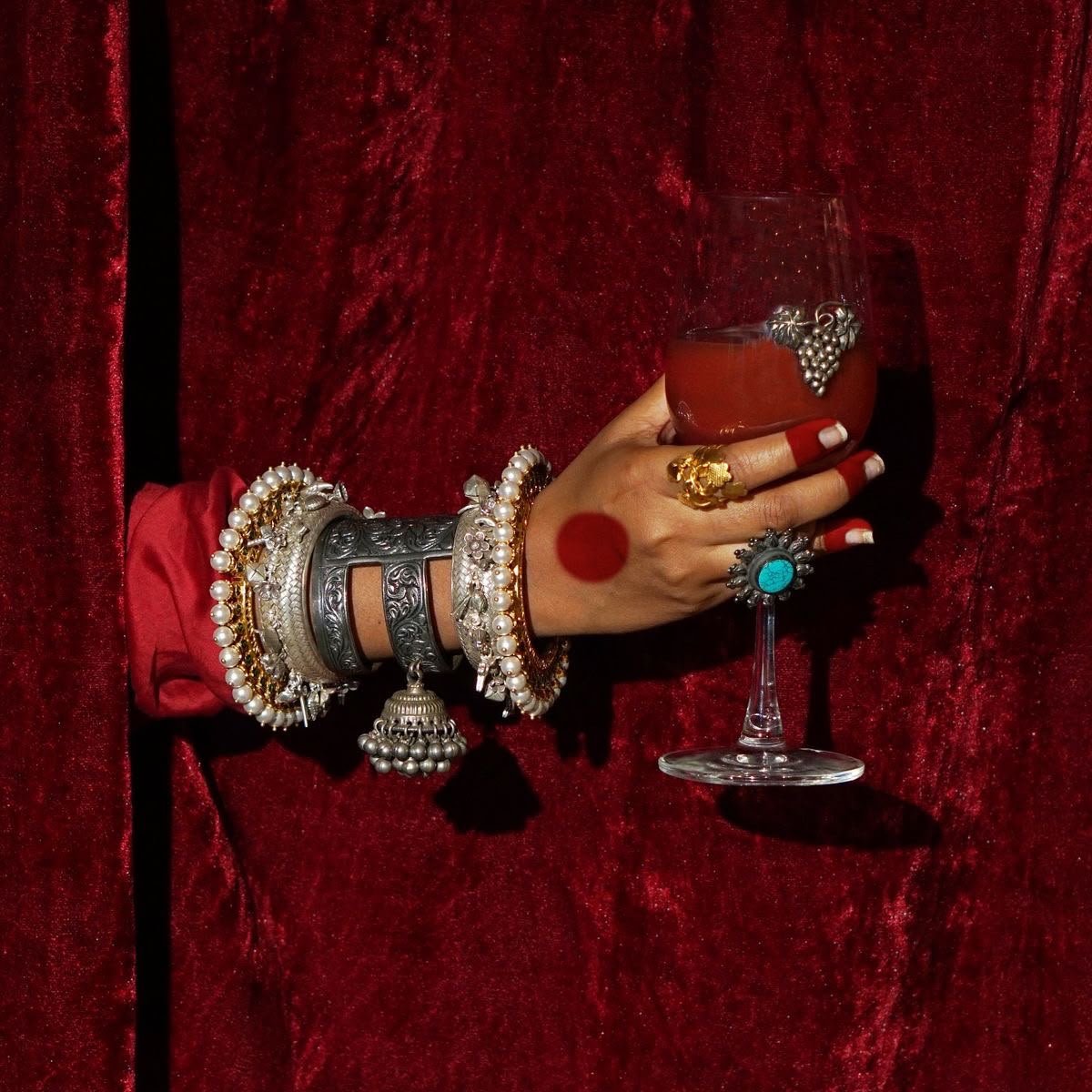
Jewellery and identity have long been connected through the ways individuals communicate wealth, cultural belonging, personal taste, and social position. Beyond its material value, jewellery carries meanings that extend into history, tradition, privilege, and influence. A necklace, ring, bracelet, or pair of earrings can become more than an accessory. It can represent a personal story, an inherited legacy, or a carefully constructed expression of identity.
In a world where appearance often shapes first impressions, jewellery occupies a distinctive position. It communicates without speaking, establishes associations without explanation, and allows individuals to express aspects of themselves through objects that may carry both emotional and cultural significance.
Its influence lies not simply in its beauty, but in the meanings society attaches to it.
The Language of Personal Identity
Jewellery offers individuals a way to express who they are without relying entirely on words.
Some choose minimal pieces that reflect simplicity and restraint. Others prefer bold designs that communicate confidence, individuality, or a distinctive aesthetic. Certain pieces may represent personal milestones, relationships, beliefs, or memories that remain meaningful over time.
These choices reveal how jewellery functions as a form of personal expression.
Unlike clothing, which often changes according to occasion or season, jewellery can become closely associated with an individual’s identity. A particular ring, pendant, or pair of earrings may remain part of someone’s appearance for years, acquiring significance through repeated use and personal experience.
The relationship between jewellery and identity is therefore not limited to appearance. It also reflects the ways individuals understand themselves and choose to present that understanding to the world.
Wealth, Status, and Social Recognition
Throughout history, jewellery has been closely associated with wealth and social status.
Precious metals, rare gemstones, intricate craftsmanship, and exclusive designs have often distinguished those with access to financial resources from those without.
In many societies, jewellery has served as a visible expression of economic position. The materials used, the complexity of the design, and the reputation of the maker can communicate information about wealth and social standing.
However, the relationship between jewellery and status is not always straightforward.
A valuable piece may remain unnoticed by someone unfamiliar with its craftsmanship or origin. Conversely, a widely recognised design may communicate luxury even when its actual value is difficult to determine.
This distinction reveals an important aspect of modern status: influence depends not only on what an object possesses in material terms, but also on what others recognise and associate with it.
Jewellery becomes a language of social recognition, shaped by shared perceptions of rarity, prestige, and exclusivity.
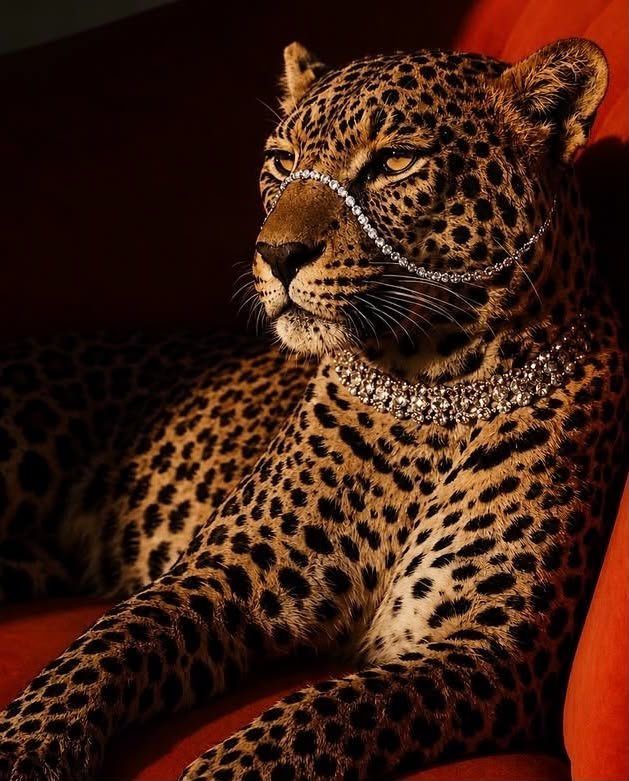
Cultural Heritage and the Meaning of Tradition
Jewellery also carries the histories of communities, families, and cultures.
Traditional ornaments often reflect regional craftsmanship, religious symbolism, artistic heritage, and social customs. Their designs may be connected to celebrations, ceremonies, marriage, family relationships, or important transitions in life.
In many cultures, jewellery is passed from one generation to another, preserving memories and maintaining a connection with the past.
An inherited necklace or bracelet may hold significance that cannot be measured through its market value. It may represent a family’s history, the experiences of previous generations, or a tradition that continues to shape contemporary identity.
This is where jewellery becomes more than a personal possession.
It becomes a cultural object, carrying meanings that extend beyond the individual who wears it.
As societies become increasingly interconnected, traditional jewellery also offers a way to maintain cultural identity while participating in modern forms of expression.
The Influence of Luxury and Exclusivity
The modern luxury industry has transformed jewellery into a powerful expression of aspiration and distinction.
Luxury jewellery brands often build their identities around craftsmanship, heritage, rarity, and exclusivity. These qualities help establish a connection between the object and a particular image of refinement.
The value of a luxury piece is therefore influenced by more than its materials.
Brand reputation, design history, craftsmanship, and cultural recognition can all contribute to its perceived significance.
This creates a relationship between jewellery and influence.
Certain pieces become recognisable symbols associated with prestige, success, and access to exclusive spaces. Their meaning extends beyond the wearer, becoming part of a broader cultural language through which luxury is understood.
Yet the pursuit of exclusivity also raises questions about the nature of value.
When luxury becomes a marker of social distinction, jewellery can reflect the structures through which status is created, recognised, and maintained.
Jewellery and the Changing Expression of Power
Historically, jewellery has often been associated with authority.
Royal crowns, ceremonial ornaments, signet rings, and elaborate personal adornments have communicated political power, institutional position, and social hierarchy.
These objects were not simply decorative. They were designed to make authority visible.
In contemporary society, the relationship between jewellery and power has evolved.
Influence is no longer expressed exclusively through traditional symbols of rank. Jewellery can now communicate professional success, personal independence, artistic identity, or cultural confidence.
For some individuals, understated pieces may convey refinement and discretion. For others, distinctive designs may represent visibility and self-assurance.
The meaning of jewellery depends on the social context in which it appears.
Its ability to communicate influence is therefore connected to both individual choice and the wider cultural environment.
The Business Behind the Beauty
Jewellery also exists within a global economic system shaped by mining, manufacturing, craftsmanship, branding, retail, and investment.
The industry brings together artisans, designers, luxury houses, independent businesses, and international markets.
Its commercial value is connected to the demand for precious materials, the reputation of established brands, and the cultural significance of jewellery as a gift, personal purchase, or family asset.
At the same time, the industry faces important questions concerning ethical sourcing, environmental responsibility, labour conditions, and transparency.
These considerations influence how consumers evaluate luxury today.
Increasingly, the meaning of a valuable object is shaped not only by its appearance and price, but also by the circumstances through which it was produced.
The future of jewellery will depend partly on how effectively the industry responds to these expectations while preserving the craftsmanship and creativity that define it.
Beyond Appearance
Jewellery’s significance ultimately extends beyond beauty, wealth, or social recognition.
It can represent personal memories, cultural heritage, emotional attachment, and individual identity. It can communicate status, but it can also challenge conventional ideas of luxury and self-expression.
Its meaning is never entirely fixed.
The same piece may represent tradition to one person, independence to another, and privilege to someone else.
This complexity makes jewellery a particularly revealing reflection of society.
It shows how objects acquire meaning through history, culture, relationships, and the ways individuals choose to present themselves.
The Signature That Remains
Jewellery has endured across generations because its significance extends beyond its physical form.
It can preserve a family story, express a personal identity, communicate cultural belonging, or reflect the aspirations of an individual.
In a world increasingly shaped by visibility and perception, jewellery remains a subtle but powerful language.
Its greatest value may not lie in the preciousness of its materials, but in the meaning it carries for the person who wears it.
Ultimately, jewellery is more than an ornament. It is a silent signature — a reflection of identity, a connection to heritage, and an expression of influence that continues to evolve with society.