Dubai global influence extends far beyond its extraordinary skyline, luxury developments, and internationally recognised landmarks. It represents a carefully constructed vision of modern power, where architecture, commerce, infrastructure, and strategic ambition converge to shape a city with an increasingly significant role in the global economy.
Once associated primarily with regional trade and pearl diving, Dubai has developed into an international destination for business, finance, tourism, investment, and innovation. Its transformation reflects a broader understanding of influence: in an interconnected world, power is not defined exclusively by territory, political authority, or natural resources. It is also shaped by the ability to attract capital, establish connections, and create opportunities that extend across borders.
Dubai offers a compelling example of how ambition can become an institutional and economic force.
The Architecture of a Global Vision
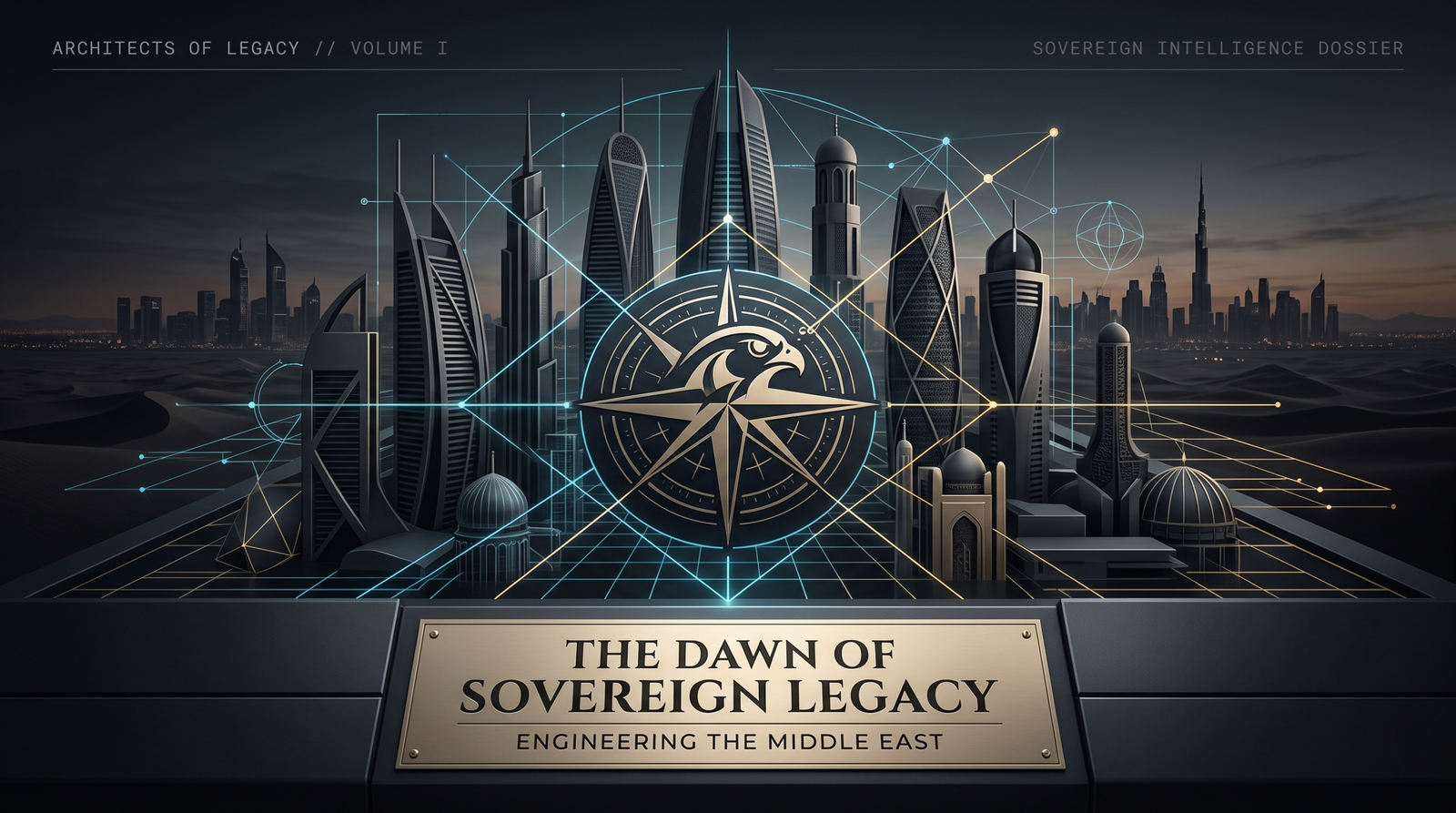
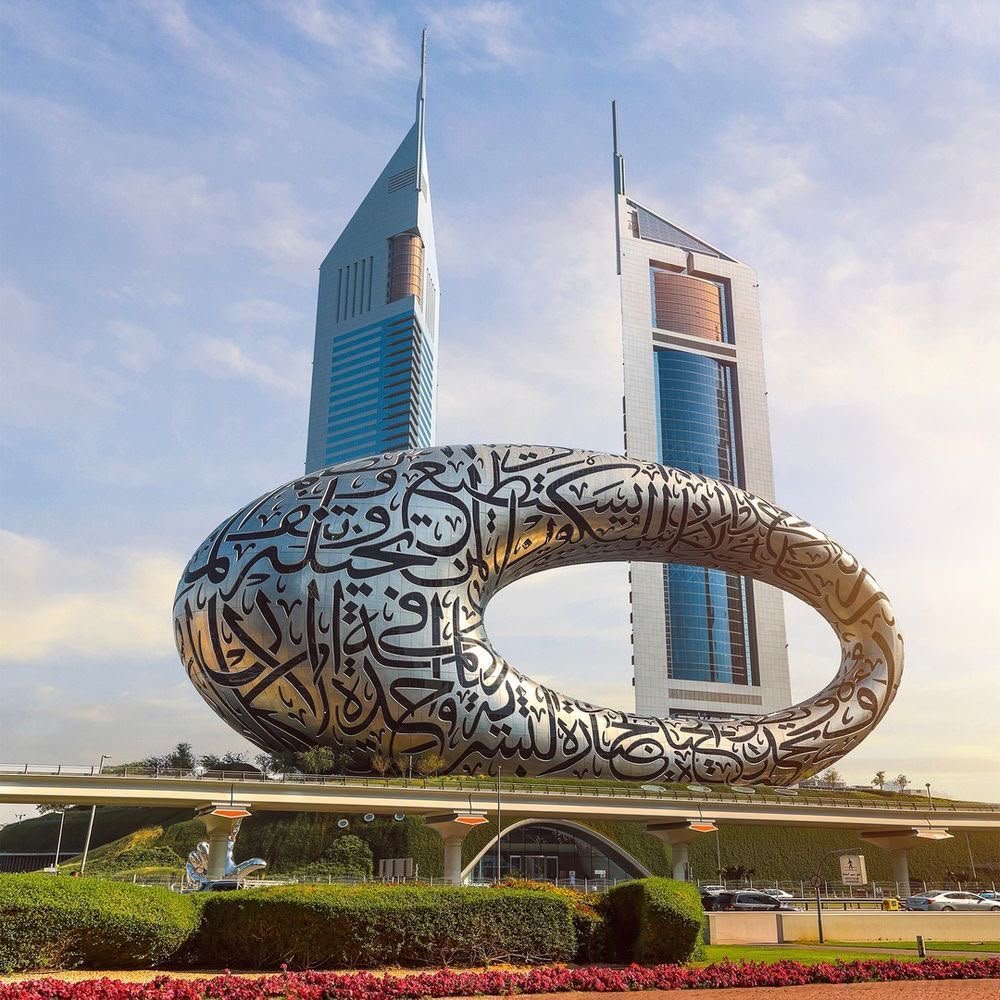
Dubai’s skyline is among the most recognisable in the world. Its towering structures, ambitious developments, and carefully designed urban spaces communicate more than architectural achievement. They express a particular vision of progress.
Buildings such as the Burj Khalifa, alongside the city’s expansive commercial districts and waterfront developments, have become symbols of a wider transformation. Architecture serves as both an economic asset and a statement of identity, positioning Dubai as a city that seeks to participate in shaping the future rather than simply responding to it.
The significance of this architectural ambition lies in its ability to attract attention, investment, and international recognition.
Modern cities increasingly compete through their ability to offer distinctive experiences, efficient infrastructure, and environments that appeal to businesses and individuals. Dubai has embraced this competition by developing an urban landscape that reflects its aspirations for global relevance.
Yet the architecture of ambition is not limited to physical structures. It also includes the systems, institutions, and policies that support the city’s economic growth.
Wealth, Capital, and Economic Influence
Dubai’s growing influence is closely connected to its ability to attract wealth from across the world.
Its business environment, international connectivity, infrastructure, and economic diversification have helped establish the city as a destination for entrepreneurs, investors, multinational companies, and high-net-worth individuals.
The appeal extends beyond luxury property or tax considerations. Dubai offers access to regional and international markets, a sophisticated logistics network, and an environment in which business relationships can develop across industries and borders.
The city’s economic model also reflects a strategic effort to reduce dependence on traditional sources of revenue. Trade, tourism, financial services, aviation, real estate, technology, and professional services have become important components of its broader economic landscape.
This diversification allows Dubai to position itself within several major global industries simultaneously.
However, wealth alone does not create lasting influence. Its significance depends on how capital is directed, how institutions function, and whether economic activity produces sustainable opportunities.
Dubai’s continued development therefore raises a larger question about modern prosperity: how can financial success translate into enduring economic resilience?
The Strategic Power of Connectivity
One of Dubai’s most important advantages is its geographical position.
Situated between Europe, Asia, and Africa, the city occupies a strategic location that supports international trade, aviation, logistics, and business travel. Its airports, ports, and transport infrastructure connect markets that might otherwise remain separated by distance and logistical complexity.
Connectivity has become a central source of influence in the modern economy.
Cities that facilitate the movement of people, goods, capital, and information can acquire importance far beyond their geographical size. Dubai has invested heavily in building precisely this kind of interconnected environment.
Its international airport and maritime infrastructure reinforce its role as a commercial gateway, while its business districts and financial institutions help connect regional economies with global markets.
This influence is not necessarily expressed through political authority. Instead, it emerges through the ability to facilitate transactions, establish networks, and create platforms on which international relationships can develop.
In an increasingly interconnected world, being a gateway can be as consequential as being a destination.
Luxury as a Language of Influence
Dubai has also transformed luxury into an important part of its international identity.
High-end hotels, private residences, premium retail, exclusive experiences, and sophisticated hospitality have helped establish the city as a destination associated with wealth and aspiration.
Luxury, however, functions here as more than consumption.
It communicates a particular image of the city: one that emphasises opportunity, exclusivity, modernity, and the ability to deliver experiences on a global scale.
For international visitors and investors, this image can influence perceptions of stability, sophistication, and economic potential.
The relationship between luxury and influence is especially significant because modern cities increasingly compete for mobile wealth and talent. Individuals with substantial financial resources often seek environments that offer a combination of professional opportunity, personal security, connectivity, and quality of life.
Dubai has positioned itself within this competition.
Yet the relationship between luxury and prosperity remains complex. A city may demonstrate extraordinary wealth while still facing questions about affordability, inequality, environmental sustainability, and the distribution of economic opportunity.
The distinction between visible prosperity and broadly shared progress is therefore essential.
Institutions, Governance, and the Limits of Ambition
Dubai’s transformation demonstrates the importance of strategic planning, infrastructure development, and institutional coordination.
Its development model has benefited from a clear emphasis on economic growth, international investment, and the creation of business-friendly environments.
These priorities have helped the city establish a distinct position within the United Arab Emirates and the wider global economy.
But ambition also creates responsibilities.
Long-term influence depends not only on attracting investment but also on maintaining confidence, adapting to economic uncertainty, and developing institutions capable of supporting sustainable growth.
Questions surrounding labour conditions, environmental pressures, housing affordability, and social inclusion remain relevant to any assessment of the city’s development.
The future of Dubai’s influence will depend partly on how effectively it responds to these challenges.
The most resilient cities are not simply those that grow rapidly. They are those that can manage the consequences of growth while maintaining the foundations of economic and social stability.
Dubai and the Future of Global Power
Dubai reflects a changing understanding of what global influence can look like.
In the past, international power was often associated primarily with military strength, territorial control, and political dominance. Today, economic networks, technological capabilities, financial systems, and the ability to attract international talent are increasingly important.
Dubai’s rise illustrates how a city can develop influence through these interconnected dimensions.
Its global identity is built through a combination of infrastructure, investment, commerce, architecture, and strategic positioning.
At the same time, its future will be shaped by developments beyond its immediate control, including geopolitical tensions, technological disruption, climate pressures, and changes in global investment patterns.
The city must continue to adapt if it is to maintain its position within an increasingly competitive international environment.
Its ambition is substantial, but ambition alone cannot guarantee permanence.
Beyond the Skyline
Dubai’s story is ultimately about more than extraordinary buildings or visible wealth.
It is about the construction of a global identity through strategic choices, economic relationships, and an understanding of how modern influence operates.
The skyline captures attention, but the systems beneath it create significance.
Its infrastructure connects markets. Its institutions support commerce. Its economic networks attract investment. Its international identity encourages people and businesses to imagine new possibilities.
Together, these elements have helped transform Dubai into a city whose influence extends well beyond its geographical boundaries.
The next chapter of its development will depend on whether it can translate ambition into enduring resilience, and whether its extraordinary growth can continue to create meaningful opportunities.
In that sense, Dubai represents both the possibilities and the complexities of modern global power: a city built on the belief that influence can be designed, developed, and expanded through vision.
Its greatest achievement may not be the height of its buildings, but the scale of the global connections it has managed to create.