
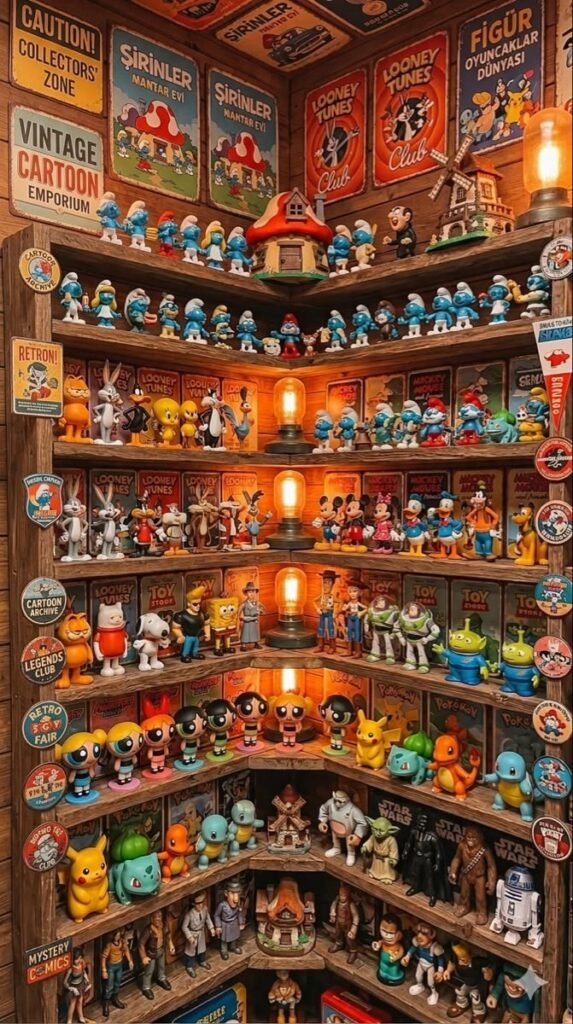
From rare Pokémon cards and historic sports memorabilia to limited-edition toys and cultural objects, collecting is entering a new era. A generation raised on global entertainment, online communities and digital marketplaces is changing what people consider worth preserving, displaying and owning.
For generations, collecting was associated with antique furniture, rare paintings, historic manuscripts, jewellery and carefully preserved family possessions. Today, the definition of a valuable collection is expanding. A trading card, a limited-edition figure or a piece of sports memorabilia can attract international attention, competitive bidding and extraordinary prices.
The transformation is particularly visible in the growing popularity of global collectibles. What was once considered a personal hobby is increasingly connected to international commerce, popular culture, nostalgia and the economics of rarity.
A recent example came on 17 November 2026, when eBay released its annual eBay Collected report, examining the athletes, entertainment franchises, toys and trading-card trends that shaped collecting culture during the year. The report highlighted the extraordinary demand for Pokémon, the popularity of sports memorabilia and the changing preferences of collectors across different generations.
The message is clear: collecting is no longer restricted to traditional categories of luxury. It is becoming a reflection of contemporary culture.
Pokémon and the Power of Cultural Nostalgia
Few entertainment properties demonstrate the international influence of collecting as clearly as Pokémon.
Introduced in Japan in 1996, the franchise has grown into a global cultural phenomenon spanning video games, animation, merchandise, tournaments and trading cards. Its thirtieth anniversary in 2026 has renewed interest among collectors who grew up with the franchise, while attracting younger audiences discovering it for the first time.
The trading-card market illustrates how nostalgia can develop into a serious collecting category.
Some cards become desirable because of their limited availability, historical significance, condition or association with particular editions. Others attract attention because of their artwork or their place in the history of the franchise.
One remarkable example is the Pikachu Illustrator card. A copy sold through Goldin for US$16.492 million, setting a record for the highest-value trading card sale reported by eBay in its 2026 collecting review.
Such prices represent exceptional transactions rather than the typical value of trading cards. Nevertheless, they demonstrate how an object originally created as part of a game can become a globally recognised collectible.
When Sport Becomes Collectible History
Sports memorabilia has always attracted passionate collectors, but its international reach has grown considerably.
Signed jerseys, championship merchandise, trading cards, historic equipment and objects associated with legendary sporting performances can carry strong emotional and historical significance.
The appeal is closely connected to moments that become part of sporting history. A championship victory, a record-breaking performance or an athlete’s rise to international prominence can create renewed interest in related memorabilia.
The 2026 eBay report highlighted the influence of basketball, particularly following the New York Knicks’ championship success. It also identified increased interest in football-related names after the World Cup.
This demonstrates how collecting is closely connected to live cultural events. The value of an object may be influenced not only by its rarity but also by the moment it represents.
For collectors, owning a piece of sporting history can feel like preserving a small part of a much larger story.
The Unexpected Rise of Collectible Toys
One of the most interesting developments in contemporary collecting is the changing status of toys.
Objects once purchased primarily for entertainment are increasingly being treated as design pieces, cultural references and limited-edition collectibles.
Designer figures, character toys, vintage action figures and unusual novelty products have developed communities of enthusiasts who follow releases, compare editions and seek rare variations.
The popularity of Labubu dolls and the renewed attention around NeeDoh sensory toys demonstrate how quickly consumer trends can create collecting communities.
The appeal is not always connected to financial value. For many collectors, these objects represent childhood memories, visual identity, personal taste or participation in a cultural movement.
Social media has accelerated this process. New releases can become global talking points within hours, while collectors share displays, compare editions and discuss authenticity across international communities.
The result is a collecting culture that moves much faster than traditional antique markets.
The New Marketplace for Collectors
Digital platforms have transformed the way collectibles are discovered, purchased and sold.
In the past, collectors often relied on specialist dealers, physical auctions, private networks and dedicated fairs. These channels remain important, particularly for exceptional objects, but online marketplaces have expanded access to a much wider audience.
Collectors can now compare listings, research previous sales, follow price movements and connect with sellers across international markets.
Livestream shopping has introduced another dimension. Platforms such as eBay Live combine entertainment, specialist knowledge and real-time transactions, allowing enthusiasts to interact with sellers and other collectors.
Authentication has also become increasingly important. High-value trading cards, signed memorabilia and rare objects require careful examination to establish their authenticity and condition.
Professional grading services, documented ownership histories and reliable provenance can influence buyer confidence. However, online visibility does not eliminate the risks of counterfeits, misleading descriptions or speculative pricing.
A sophisticated collector must therefore understand not only the object but also the market in which it is traded.
Why the Next Generation Is Collecting Differently
Younger collectors are approaching ownership through a different cultural lens.
For many, collecting begins with a connection to entertainment, sport, gaming, music or a particular creative community. The object itself may be relatively small, but its meaning can be significant.
Digital communities allow enthusiasts to learn about collecting categories that were previously difficult to access. They can discover rare editions, follow specialist creators and develop knowledge without necessarily belonging to established collector networks.
This has made collecting more participatory.
The traditional distinction between consumer and collector is also becoming less clear. A person may purchase a product for enjoyment and later become interested in its limited editions, production history or resale market.
However, this new accessibility also creates challenges. Viral popularity can encourage impulsive purchases, while speculative interest can push prices beyond what an object may justify in the long term.
Collecting is most rewarding when enthusiasm and informed judgement develop together.
Rarity, Authenticity and the Meaning of Value
Not every limited-edition object becomes valuable, and not every expensive collectible represents a sound investment.
Rarity is only one element of desirability. Condition, historical importance, cultural relevance, authenticity and sustained demand all contribute to how collectors assess an object.
Historic coins provide an interesting example. They connect collecting with political history, craftsmanship and the development of monetary systems. The 2026 eBay report identified increased listings and searches for historic coins, suggesting renewed interest in objects that carry a direct connection to the past.
Yet the market for collectibles can be unpredictable. Preferences change, new franchises emerge and previously fashionable objects can lose attention.
For this reason, collecting should not be understood exclusively as an investment strategy. Its deeper appeal lies in the relationship between an object and the person who chooses to preserve it.
The Future of Collecting
The collecting landscape is becoming more diverse, international and digitally connected.
Traditional categories such as fine art, antiques and rare watches will continue to hold an important place. Alongside them, trading cards, sports memorabilia, designer toys and entertainment-related objects are creating new communities and commercial opportunities.
The next generation of collectors is expanding the meaning of cultural ownership. They are preserving not only historical objects but also the symbols, characters and experiences that define contemporary life.
The most interesting collections may therefore emerge from unexpected places.
A rare card, a championship jersey or a limited-edition figure can become significant because it captures a particular moment in culture. Its importance may lie in its history, its craftsmanship, its scarcity or the memories it represents.
Ultimately, the future of collecting will not be determined by price alone. It will be shaped by the stories people choose to keep, the objects they value and the communities that give those objects meaning.
