
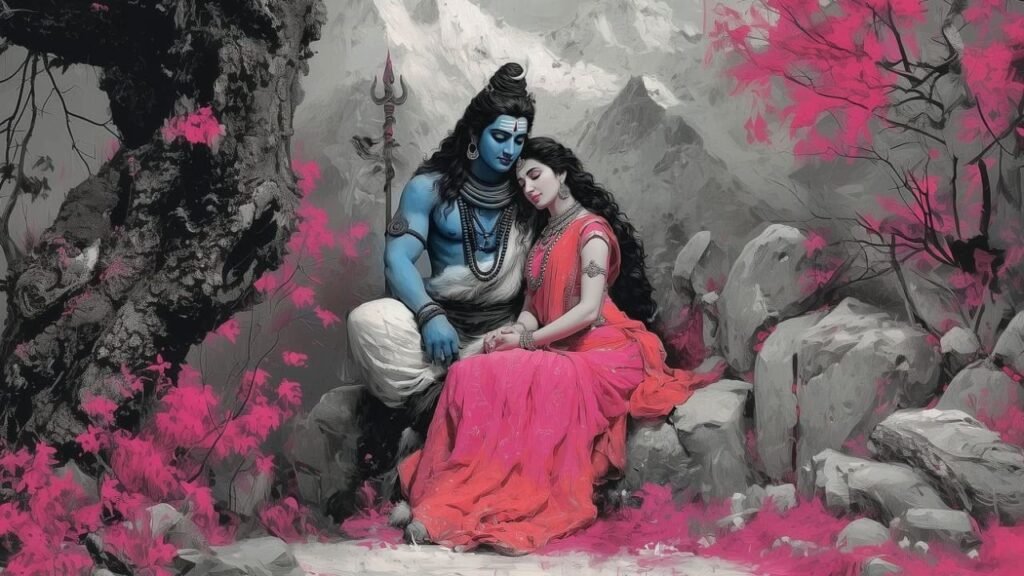
How Spiritual Belief, Sacred Journeys, Community Traditions, and Everyday Acts of Faith Continue to Shape India’s Cultural Identity.
Indian devotion is not expressed through a single tradition, language, or religious practice. It is a living part of the country’s cultural identity, reflected in its temples, mosques, gurdwaras, churches, monasteries, sacred rivers, festivals, music, and everyday acts of faith. Across generations, devotion has remained a deeply personal experience while also bringing communities together.
In India, spirituality can be encountered in extraordinary places of worship as well as in ordinary moments: a prayer at sunrise, a lamp lit at home, a visit to a sacred site, a charitable meal shared with strangers, or a quiet moment of reflection. These expressions reveal a society in which faith is woven into daily life.
A Country of Many Paths
India’s spiritual landscape is remarkably diverse. Hinduism, Islam, Sikhism, Christianity, Buddhism, Jainism, Zoroastrianism, and numerous indigenous traditions have contributed to its religious and cultural history.
Each faith has its own philosophy, ceremonies, sacred spaces, and forms of devotion. Hindu traditions include temple worship, meditation, prayer, pilgrimage, and festivals dedicated to different deities. Muslim communities observe daily prayers, Ramadan, charitable giving, and the spiritual significance of sacred occasions. Sikh devotion is expressed through prayer, the teachings of the Gurus, and the principle of seva, or selfless service.
Christian communities gather for worship, prayer, and celebrations such as Christmas and Easter. Buddhist traditions emphasise compassion, mindfulness, and the pursuit of enlightenment, while Jain practices place particular importance on non-violence, discipline, and spiritual liberation.
These traditions are distinct, yet they share enduring themes of faith, compassion, responsibility, and the search for meaning.
Sacred Places and the Journey of Faith
For many people, devotion is experienced through journeys to places regarded as spiritually significant. India’s sacred geography extends from the Himalayas to the southern coastline, from ancient cities to remote pilgrimage destinations.
Varanasi, situated along the Ganges, holds profound significance for many Hindus. Amritsar’s Golden Temple is a major centre of Sikh worship and community service. Ajmer Sharif attracts visitors seeking the spiritual blessings associated with the Sufi saint Khwaja Moinuddin Chishti. Bodh Gaya is central to Buddhist history, while the churches of Goa reflect centuries of Christian heritage.
These destinations are not simply architectural landmarks. They are places of memory, prayer, community, and continuity. Pilgrims often travel considerable distances, sometimes with family members, carrying traditions that have been passed down through generations.
The journey itself can become an expression of devotion, requiring patience, commitment, and reflection.
Festivals That Bring Communities Together
India’s festivals demonstrate how faith becomes a shared cultural experience. Diwali, Eid, Christmas, Gurpurab, Buddha Purnima, Mahavir Jayanti, Navratri, and numerous regional celebrations bring religious observances into public and family life.
The experiences surrounding these occasions differ across communities. They may involve prayer, fasting, processions, music, decorations, shared meals, charitable activities, or gatherings with relatives and neighbours.
For many families, festivals also provide an opportunity to preserve customs and introduce younger generations to their cultural inheritance. Recipes, clothing, rituals, stories, and traditional music become part of a wider heritage.
Beyond religious observance, these celebrations contribute to India’s artistic and social landscape, creating occasions for cultural exchange and collective participation.
The Quiet Power of Seva and Charity
Devotion in India is not limited to prayer or ceremonies. It is also expressed through service.
The Sikh tradition of langar, the community kitchen found in gurdwaras, offers meals to visitors regardless of background, reflecting the principles of equality and selfless service. Charitable organisations connected with different faith communities support education, healthcare, food distribution, disaster relief, and assistance for vulnerable populations.
Individuals also practise generosity through smaller acts: helping a neighbour, supporting a family in difficulty, contributing to a community kitchen, or volunteering at a place of worship.
These actions reveal an important dimension of spirituality. Faith can become meaningful not only through what individuals believe, but through how they treat others.
Music, Architecture and the Expression of Faith
India’s devotional traditions have shaped some of its most distinctive artistic expressions. Bhajans, kirtans, qawwalis, hymns, Buddhist chants, and Jain devotional compositions use music to communicate reverence, emotion, and spiritual reflection.
The country’s sacred architecture tells another part of this story. Temple complexes, Mughal-era mosques, Sikh gurdwaras, colonial-era churches, Buddhist monasteries, and Jain temples represent different artistic languages and historical influences.
Intricate carvings, domes, courtyards, sacred symbols, paintings, and carefully designed spaces create environments that encourage contemplation and worship.
These cultural forms are also important beyond religious communities. They contribute to India’s artistic heritage, attract visitors from around the world, and preserve knowledge of traditional craftsmanship.
Faith Across Generations
For many Indian families, devotion is introduced through childhood experiences. Children may accompany parents or grandparents to places of worship, learn prayers, participate in festivals, or hear stories that explain the meaning of particular traditions.
As generations change, the ways people practise faith can also evolve. Some younger individuals follow inherited rituals closely, while others approach spirituality through meditation, philosophy, personal reflection, or community service.
Digital platforms have created additional ways to access religious teachings, devotional music, and live ceremonies. Yet technology has not replaced the importance of personal experience, family customs, or physical places of worship.
The relationship between tradition and individual choice remains an important part of India’s evolving spiritual identity.
Respect in a Diverse Spiritual Society
The depth of India’s religious diversity also makes mutual respect essential. Different communities may hold distinct beliefs, observe different customs, and understand spirituality in different ways.
Recognising these differences does not require every individual to share the same convictions. It requires an appreciation of religious freedom, cultural understanding, and the dignity of others.
India’s spiritual heritage is best understood through its many voices rather than a single definition of faith. Its richness lies in the coexistence of different traditions, each carrying its own history and meaning.
The Enduring Spirit of Devotion
Indian devotion continues to connect the past with the present. It is visible in ancient pilgrimage routes and contemporary places of worship, in family ceremonies and public festivals, in devotional music and acts of service.
For some, faith offers guidance. For others, it provides comfort, belonging, discipline, or a connection to their ancestors. Its meaning may differ from one person to another, but its presence remains significant across many parts of Indian society.
The spirit of India cannot be understood through monuments or rituals alone. It is also found in the people who preserve traditions, serve their communities, seek understanding, and pass their values to the next generation.
Ultimately, devotion is not only about where people pray or which ceremonies they observe. It is also about the values they carry into everyday life. In that sense, India’s spiritual identity is not merely inherited history; it is a living tradition, continually shaped by the people who practise it.