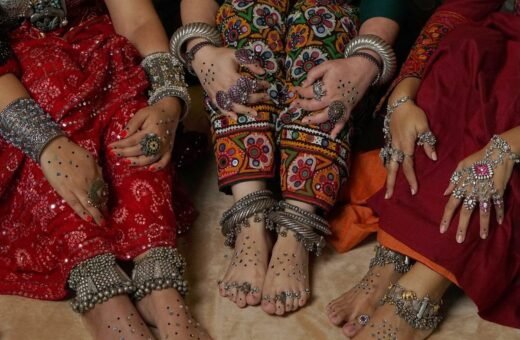

Fashion evolution is a story that reaches far beyond clothing. It is a story of culture, identity, craftsmanship, creativity, and the changing societies that have shaped what people wear. Across generations, garments have carried the traditions of communities, reflected social structures, expressed individuality, and captured the spirit of their time.
From the intricate textiles of South Asia and the woven traditions of Africa to the tailored silhouettes of Europe and the distinctive dress cultures of East Asia, fashion has always been connected to the world around it. What began as a practical necessity gradually developed into an expression of identity, artistry, status, and personal choice.
Today, fashion has become one of the world’s most influential creative industries. Designers, artisans, textile producers, fashion houses, and emerging labels operate across borders, bringing together different traditions and ideas. Yet as the industry moves forward, it continues to draw inspiration from the past.
Understanding fashion evolution means looking at where clothing began, how it transformed, and what its future may reveal about the world we are becoming.
The Origins of Fashion: Clothing as Culture
Long before fashion became an industry, clothing was shaped by the needs, materials, and traditions of communities.
Early garments were created for protection, practicality, and adaptation to different climates. Over time, however, clothing acquired deeper meaning. Materials, colours, patterns, and styles began to reflect cultural identity, social position, religious traditions, and regional craftsmanship.
Across India, textiles developed into a remarkable expression of cultural diversity. The sari, dhoti, sherwani, and regional garments evolved through distinct traditions of weaving, embroidery, dyeing, and tailoring. Techniques such as block printing, brocade weaving, and intricate hand embroidery became part of a rich textile heritage.
In Japan, the kimono developed as a garment with distinctive forms, fabrics, and symbolic associations. Across parts of Africa, traditional clothing and textiles reflected local identities, ceremonies, communities, and artistic traditions. In the Middle East, garments such as the abaya and kaftan evolved through diverse regional histories and continue to influence contemporary fashion.
European dress traditions developed through their own distinctive histories of tailoring, textiles, courtly clothing, and craftsmanship. In China, silk became closely associated with textile artistry and long-standing cultural traditions.
These traditions were never simply about appearance. Clothing could communicate belonging, occasion, profession, values, and identity.
Fashion’s earliest roots therefore reveal a fundamental truth: what people wear has always been connected to how they live, what they believe, and how they understand themselves.
From Craftsmanship to the Fashion House
As societies developed, clothing became increasingly connected to specialised craftsmanship.
Tailors, weavers, embroiderers, dyers, and textile artisans developed skills that transformed garments into carefully constructed objects. Clothing for courts, aristocratic households, and wealthy patrons often demanded exceptional materials and detailed workmanship.
In Europe, the rise of couture and established fashion houses helped transform the designer into a recognised creative figure. Fashion increasingly became associated with distinctive signatures, seasonal collections, and the idea that a designer could shape how an era dressed.
The emergence of haute couture in Paris became particularly influential. It established a model in which garments could be designed and made with exceptional attention to detail, individual clients, and skilled handwork.
Elsewhere, established textile and tailoring traditions continued to develop. Italian craftsmanship, British tailoring, Japanese textile design, Indian embroidery, and many other regional practices contributed to the wider language of fashion.
The fashion house became more than a place where clothing was made. It became a centre of creative identity, artistic direction, and commercial influence.
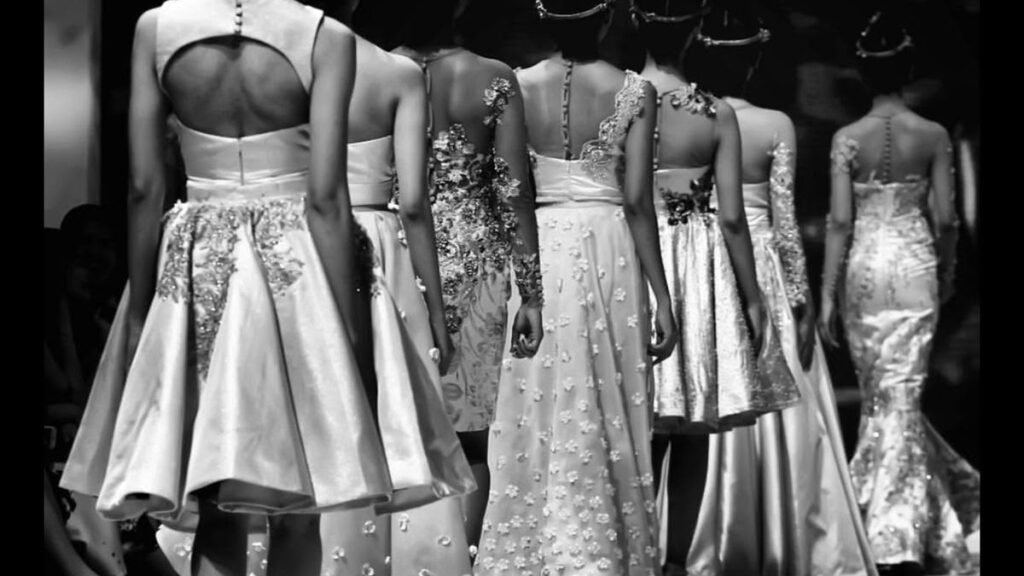
The Industrial Transformation of Fashion
The growth of textile manufacturing and industrial production changed fashion on a significant scale.
Clothing that had once required extensive time and skilled labour could increasingly be produced in larger quantities. New manufacturing systems, distribution networks, and retail models expanded access to garments and helped fashion reach wider populations.
The development of ready-to-wear clothing transformed the relationship between designers and consumers. Instead of commissioning every garment individually, people could choose from collections produced in standard sizes.
Fashion magazines, photography, advertising, department stores, and later television helped spread styles beyond their original places of creation.
The industry began to operate at a larger scale, connecting designers, manufacturers, retailers, media, and consumers across different markets.
Fashion was no longer limited to a small circle of patrons. It had become a powerful cultural and commercial force.
The World Becomes a Fashion Stage
One of the most defining developments in fashion evolution has been its global expansion.
Fashion has never developed in isolation. Textiles, techniques, designs, and ideas have travelled through trade, migration, cultural exchange, and artistic collaboration. In the modern industry, these connections have become more visible than ever.
Paris, Milan, London, and New York became influential fashion centres, each developing distinctive creative and commercial identities. Meanwhile, fashion industries across Asia, the Middle East, Africa, and Latin America continued to expand, bringing their own aesthetics, designers, and craftsmanship into global conversations.
India’s textile traditions and contemporary design talent have gained wider international visibility. African designers and textile artists have contributed distinctive perspectives on identity, heritage, and contemporary creativity. Japanese fashion has influenced global design through its experimentation with form, proportion, and construction. Middle Eastern fashion has developed a significant presence through couture, luxury retail, and regional design traditions.
This global exchange has challenged the idea that fashion can be understood through a single geographical centre.
Fashion today is shaped by many creative communities. Its influence moves in multiple directions, with designers drawing from local traditions while reaching audiences around the world.
Fashion as a Language of Identity
Clothing has always communicated something about the person wearing it.
A garment can express cultural belonging, professional identity, personal taste, confidence, creativity, or a desire to challenge convention. Fashion can also become a way of negotiating identity in a world where people move between cultures, generations, and social environments.
Traditional dress may preserve a connection to family and heritage. Contemporary clothing may express independence or a changing sense of self. A carefully chosen silhouette, colour, or accessory can communicate personality without a single spoken word.
Fashion also reflects the changing roles of women and men in society. As social expectations evolve, clothing adapts to new forms of work, leadership, mobility, and personal freedom.
The relationship between fashion and identity is therefore not fixed. It changes with the individual and the world around them.

The Business Behind the Beauty
Behind every runway presentation and finished garment is a complex global industry.
Fashion brings together designers, textile mills, artisans, manufacturers, photographers, stylists, models, retailers, logistics companies, and technology providers. Each plays a role in turning creative ideas into products that reach consumers.
Luxury fashion houses operate through a distinctive combination of design, craftsmanship, brand identity, retail experience, and cultural influence. Their value is not determined only by the material used in a garment. It can also reflect the expertise behind its construction, the history of the house, the creative vision of its designers, and the reputation it has developed over time.
At the same time, independent designers and emerging labels are creating new approaches to production, presentation, and consumer relationships.
Digital platforms have changed how fashion is discovered and purchased. Designers can communicate directly with global audiences, while consumers can encounter styles and creative movements from places they may never have visited.
Fashion’s growth has created opportunities, but it has also brought questions about working conditions, production practices, waste, environmental impact, and the pressures of constant consumption.
The future of the industry will depend not only on its ability to grow, but also on how responsibly that growth is managed.
The Return to Heritage and Craftsmanship
As fashion becomes increasingly global and digitally connected, heritage and craftsmanship have acquired renewed significance.
Consumers and designers are looking beyond the immediate appeal of a garment toward its construction, material, origin, and story. Traditional techniques can offer a sense of individuality and continuity in a market often dominated by rapid production and changing trends.
Embroidery, hand weaving, natural dyeing, artisanal tailoring, and other specialised skills continue to inspire contemporary collections.
For designers, heritage can serve as a source of creative direction rather than a limitation. Traditional patterns may be reinterpreted through new silhouettes. Historic techniques may be combined with contemporary materials. Regional garments may influence international design without losing their cultural significance.
The challenge is to approach heritage with respect, understanding, and meaningful collaboration.
When craftsmanship is valued, fashion can create opportunities to preserve skills, support artisans, and connect contemporary design with cultural knowledge passed down through generations.
Technology and the Next Chapter
Fashion’s future will be shaped by technology as much as by creativity.
Digital design tools, artificial intelligence, advanced textile development, virtual presentations, and new retail technologies are changing how garments are imagined, produced, marketed, and experienced.
Designers can experiment with ideas before creating physical samples. Brands can use digital platforms to reach audiences in different countries. New materials and production methods may help reduce waste or improve the efficiency of manufacturing.
Technology is also changing the relationship between consumers and fashion. Online platforms have made discovery easier, while social media has created new channels for designers, stylists, and creative communities to influence global conversations.
However, technology cannot replace every aspect of fashion. The feel of a fabric, the precision of a hand-finished garment, the experience of a fitting, and the knowledge of an experienced artisan remain difficult to replicate.
The future is likely to involve a combination of technological innovation and human expertise.
What Comes Next for Fashion?
The next chapter of fashion evolution may be defined by a more thoughtful relationship with clothing.
Rather than relying only on rapid trends and constant newness, fashion may increasingly place value on longevity, adaptability, quality, and responsible production.
Consumers are exploring how to build wardrobes that reflect their personal identities instead of simply following seasonal directions. Designers are reconsidering materials, production methods, and the life cycle of garments. Fashion houses are exploring how to preserve their heritage while appealing to new generations.
The industry will also continue to become more diverse in its creative leadership and cultural influences. New designers and regional fashion communities will challenge established ideas about beauty, luxury, and style.
Fashion’s future will not be determined by one trend or one city. It will emerge through the interaction of culture, innovation, craftsmanship, business, and individual expression.
Fashion’s Past Is Part of Its Future
Fashion evolution reveals how clothing has moved from practical necessity to cultural expression, artistic creation, and a global industry.
Its history is rooted in the traditions of communities around the world. Its present is shaped by designers, manufacturers, consumers, and creative industries connected across borders. Its future will depend on how fashion responds to changing values, technological developments, environmental concerns, and new forms of identity.
The most compelling fashion is not always the newest or the most visible. It is often the fashion that carries meaning—through its craftsmanship, its cultural roots, its creative vision, or the person who chooses to wear it.
As the industry continues to transform, its greatest strength may lie in its ability to bring the past and the future into conversation.
Fashion will keep changing. But the human desire to express identity, creativity, and belonging through what we wear will remain at its heart.