In a world increasingly defined by speed, constant connectivity and demanding lifestyles, wellness retreats are becoming the ultimate expression of modern luxury. The greatest privilege is no longer simply travelling farther or owning more, but finding the space, time and environment to restore oneself.
Wellness Retreats are redefining the meaning of luxury. Across the world, an increasing number of travellers are choosing destinations that offer something beyond beautiful accommodation, exceptional dining and spectacular landscapes. They are seeking experiences that restore physical energy, encourage mental clarity and create a deeper connection with themselves.
This shift represents a broader transformation in the global luxury industry. Wellbeing is no longer an occasional indulgence reserved for holidays or special occasions. It is becoming an essential part of how affluent individuals approach their lifestyles, travel choices and long-term quality of life.
The Evolution of Wellness as Luxury
Traditional luxury hospitality was largely associated with grand hotels, private villas, exclusive destinations and personalised service. While these elements remain important, contemporary travellers are increasingly interested in what a destination can contribute to their wellbeing.
The modern wellness retreat combines hospitality with carefully designed experiences. Guests may spend their mornings practising yoga, their afternoons enjoying therapeutic treatments and their evenings surrounded by nature, away from the demands of everyday life.
The emphasis is shifting from simply being pampered to experiencing meaningful restoration.
This change has encouraged luxury hospitality groups to develop dedicated wellness environments, bringing together fitness, nutrition, mindfulness, sleep improvement and holistic therapies within one carefully curated setting.
Destinations Designed for Restoration
Location plays an essential role in the identity of a wellness retreat. The surrounding environment often becomes as important as the treatments and facilities offered within the property.
In the Swiss Alps, mountain landscapes provide a setting for restorative programmes, outdoor movement and peaceful reflection. The combination of fresh air, natural scenery and carefully designed hospitality creates an atmosphere removed from urban intensity.
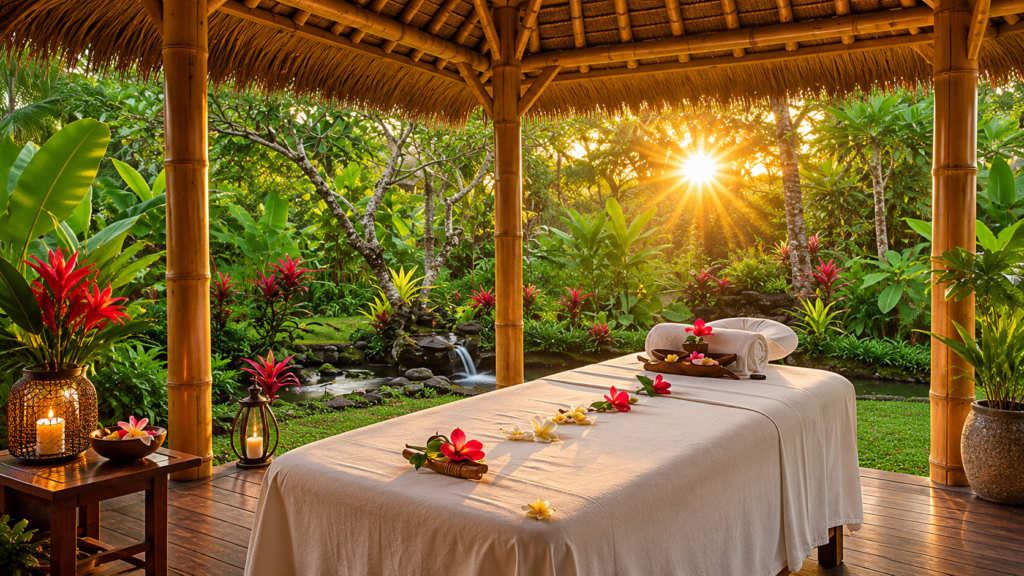
Bali has established itself as an internationally recognised destination for holistic wellbeing. Its retreat culture brings together yoga, meditation, traditional healing practices, nature and contemporary wellness philosophies.
In India, destinations across Kerala and the Himalayan region offer distinctive approaches to restoration. Kerala is particularly associated with Ayurveda, traditional therapies and wellness practices rooted in centuries of knowledge. Himalayan retreats, meanwhile, offer opportunities for meditation, reflection and immersion in mountain environments.
Japan presents another perspective through its relationship with nature, traditional bathing culture and the philosophy of mindful living. Experiences such as forest bathing and onsen bathing demonstrate how simple connections with the natural world can become meaningful elements of wellbeing.
These destinations reveal that wellness is not defined by one particular treatment or philosophy. It is shaped by culture, environment, tradition and individual needs.
The Architecture of Wellbeing
The design of a wellness retreat is central to the experience. Unlike conventional luxury properties that may emphasise visual grandeur, wellness-oriented spaces often prioritise tranquillity, natural materials, light and a sense of openness.
Architectural elements such as open courtyards, water features, landscaped gardens, natural stone, timber and expansive windows help create an environment that encourages relaxation.
The relationship between indoor and outdoor spaces is particularly important. A meditation pavilion overlooking the mountains, a treatment room opening towards a tropical garden or a swimming pool positioned beside the ocean can transform architecture into part of the restorative experience.
Some of the world’s most thoughtful wellness properties demonstrate that luxury does not always require excess. It can be expressed through privacy, proportion, silence and the careful selection of every detail.
Personalised Wellness: Beyond the Traditional Spa
One of the most significant developments in luxury wellness is personalisation.
Rather than offering identical programmes to every guest, contemporary retreats increasingly develop experiences around individual preferences and wellbeing objectives.
A guest may arrive seeking better sleep, another may want to reduce everyday stress, while someone else may be interested in improving physical fitness or exploring traditional healing practices.
Depending on the retreat, programmes may include:
- Personalised yoga and meditation sessions.
- Ayurveda-inspired therapies and consultations.
- Nutrition planning and carefully designed menus.
- Guided fitness and movement programmes.
- Massage and restorative body treatments.
- Sleep-focused experiences and relaxation practices.
- Nature-based activities and mindful excursions.
This approach makes wellness more individual and considered. The experience is not simply about completing a schedule of treatments, but discovering practices that can be incorporated into everyday life.
Importantly, wellness retreats are not substitutes for medical care. Guests seeking treatment for specific health conditions should consult appropriately qualified healthcare professionals.
The World’s Leading Wellness Experiences
Several luxury properties illustrate how wellness has become an important part of international hospitality.
Six Senses Vana, India: Located in Dehradun, Six Senses Vana is known for its immersive approach to wellbeing, bringing together Ayurveda, yoga, Tibetan medicine, meditation and personalised programmes.
Ananda in the Himalayas, India: Set in the Himalayan foothills near Rishikesh, Ananda combines traditional Indian wellness philosophies with contemporary hospitality. Its programmes draw on Ayurveda, yoga and Vedanta.
SHA Wellness Clinic, Spain: Located in Alicante, SHA has developed an integrated wellness concept combining nutrition, fitness, preventative health approaches and specialist programmes.
Kamalaya, Thailand: Situated on Koh Samui, Kamalaya is recognised for its holistic wellness experiences, combining traditional therapies, mindful practices and personalised retreat programmes.
Shambhala Estate, Bali: Surrounded by tropical greenery near Ubud, the property combines nature, movement, nutrition and holistic wellness experiences.
These destinations demonstrate the diversity of modern wellness hospitality. Each offers a different interpretation of restoration, shaped by its geographical setting, cultural influences and approach to wellbeing.
The Importance of Disconnecting
One of the most valuable aspects of a wellness retreat is the opportunity to step away from constant connectivity.
Modern lifestyles often involve continuous communication, professional responsibilities and digital engagement. Even leisure time can become another opportunity to check notifications, respond to messages and remain available.
A retreat creates an environment where individuals can reconsider their relationship with technology and time.
Digital detox programmes, quiet surroundings, nature walks and scheduled periods of reflection encourage guests to experience moments without constant interruption.
The objective is not necessarily to reject technology, but to establish a healthier relationship with it.
For many travellers, the opportunity to spend several days without the pressures of everyday communication has become one of the most meaningful luxuries available.
Wellness as a Long-Term Lifestyle
The future of wellness retreats will depend increasingly on their ability to offer experiences that extend beyond the duration of a stay.
A successful retreat should leave guests with more than memories of beautiful surroundings and exceptional service. It should introduce habits, perspectives and practices that can continue after returning home.
This may involve maintaining a meditation routine, making more considered nutritional choices, prioritising sleep or creating regular opportunities for physical movement.
Luxury wellness is gradually moving away from the idea of temporary escape towards a more sustainable approach to personal wellbeing.
As travellers become more selective about how they spend their time, retreats that combine authenticity, thoughtful design, cultural knowledge and individual attention are likely to remain influential.
The New Meaning of Luxury
The definition of luxury has always evolved with society. At one time, it was associated primarily with ownership, exclusivity and material distinction. Today, it increasingly includes experiences that cannot easily be measured through possessions.
Wellness retreats represent this changing perspective. They offer privacy without isolation, comfort without unnecessary excess and experiences centred on the individual rather than external recognition.
Ultimately, the greatest luxury may be the ability to pause, rediscover balance and return to everyday life with a renewed sense of perspective.
In a world that rarely stops moving, the freedom to slow down has become an extraordinary privilege.