
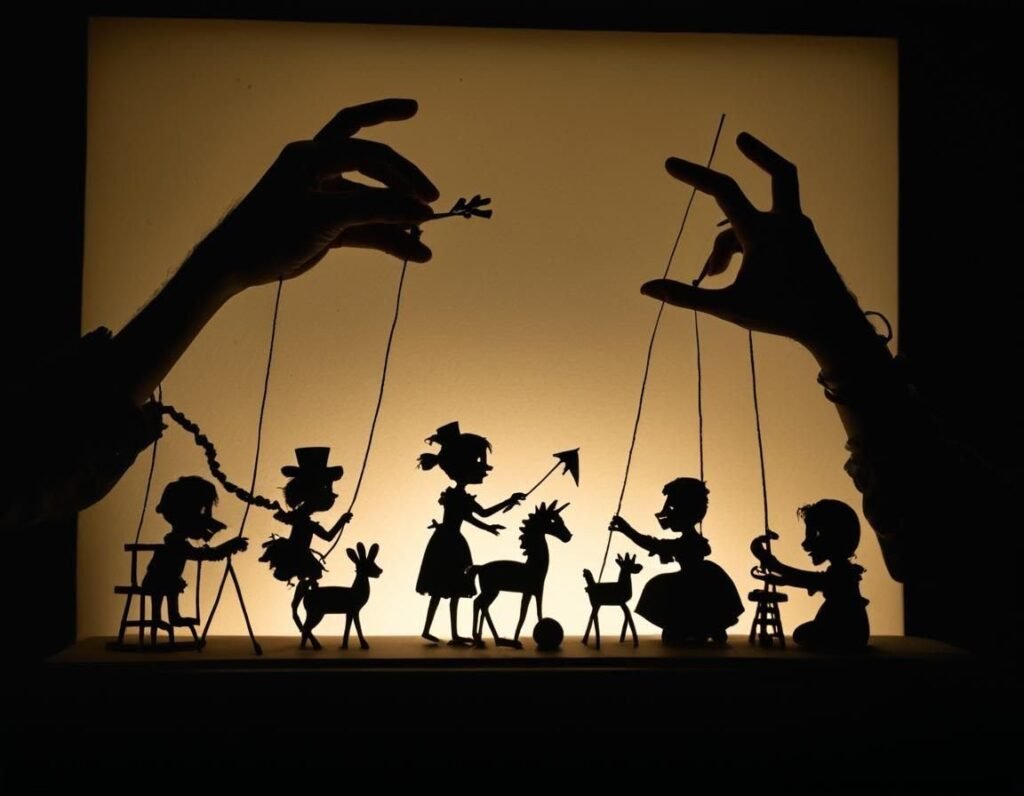
An exploration of how theatre has shaped cultures, challenged conventions and brought human experiences to life across generations.
Long before cinema transformed entertainment and digital platforms changed the way audiences consumed stories, theatre offered something extraordinary: the opportunity to witness human experiences unfold in real time. Through movement, dialogue, music, lighting and performance, the stage became a place where societies could examine their beliefs, celebrate their histories and confront uncomfortable truths.
Theatre is among humanity’s oldest and most enduring artistic traditions. It has entertained royal courts, influenced political thought, preserved cultural identities and introduced audiences to perspectives beyond their own experiences. Although its forms have evolved considerably, its central purpose remains remarkably powerful: to bring stories to life through the presence of performers and the imagination of an audience.
The Origins of Theatre: From Ritual to Artistic Expression
The origins of theatrical performance can be traced to ancient rituals, ceremonies, storytelling traditions and communal celebrations.
In ancient Greece, theatre developed into a structured artistic institution, with tragedies and comedies becoming important parts of public cultural life. Playwrights such as Aeschylus, Sophocles, Euripides and Aristophanes explored themes of power, morality, politics, ambition and human suffering.
Greek theatrical traditions established ideas about dramatic structure, character development and the relationship between performers and audiences that continue to influence theatre today.
Elsewhere, theatrical traditions developed through different cultural and religious environments. Across Asia, Africa and the Middle East, performance incorporated music, dance, storytelling, masks and ceremonial expression.
These different beginnings demonstrate that theatre was never simply an entertainment industry. It was also a way for communities to understand themselves and communicate their experiences.
India: A Rich Tradition of Dramatic Arts
India possesses one of the world’s most extensive theatrical heritages.
The Sanskrit dramatic tradition, described in the ancient Natyashastra, attributed to Bharata Muni, established influential principles concerning acting, movement, music, emotion and stage presentation.
Classical Sanskrit playwrights such as Kalidasa created works that explored love, nature, duty and human relationships. His celebrated play Abhijnanasakuntalam remains an important achievement in the history of world drama.
Indian theatre subsequently developed through numerous regional traditions, each reflecting distinct languages, histories and cultural identities.
From the elaborate performance traditions of Kathakali and the dramatic storytelling of Yakshagana to Bengali theatre, Marathi theatre and Parsi theatre, India’s theatrical landscape demonstrates remarkable diversity.
Modern Indian theatre has also explored social change, political realities, identity and contemporary life. Its continued development reflects the country’s ability to preserve traditional performance while embracing new forms of expression.
Britain and the Enduring Legacy of Shakespeare
British theatre has played a significant role in shaping international dramatic culture.
The works of William Shakespeare remain among the most widely performed plays in the world. His exploration of ambition, jealousy, political power, love, betrayal and human vulnerability has allowed his characters to remain relevant across different generations and societies.
The establishment of permanent playhouses, including London’s historic Globe Theatre, helped develop a theatrical culture that brought professional performance to increasingly diverse audiences.
British theatre later expanded through movements involving realism, social commentary, modern drama and experimental performance.
Institutions such as the Royal National Theatre and the Royal Shakespeare Company continue to support theatrical innovation while preserving important dramatic traditions.
The influence of British theatre can be seen in international productions, adaptations, education and contemporary storytelling.
European Theatre: Experimentation and Artistic Innovation
Europe has contributed significantly to the evolution of modern theatre.
In France, playwrights such as Molière developed sophisticated comedies that examined social behaviour, hypocrisy and human ambition. His works continue to be performed internationally.
In Germany, Bertolt Brecht transformed dramatic presentation through his approach to epic theatre, encouraging audiences to question social structures rather than simply become emotionally absorbed in a performance.
Across Europe, theatrical movements explored realism, symbolism, absurdism and experimental staging.
These developments expanded the possibilities of performance. Theatre became a space not only for storytelling but also for intellectual debate, political reflection and artistic experimentation.
Theatre Across the World
Theatre’s international character is reflected in the extraordinary variety of performance traditions found across continents.
In Japan, Noh and Kabuki demonstrate highly developed forms of movement, costume, music and stylised performance. Each possesses distinct conventions and artistic disciplines.
In China, traditional opera combines music, acrobatics, symbolic gestures, elaborate costumes and dramatic storytelling.
Across Africa, theatrical expression has frequently drawn upon oral traditions, community participation, music, movement and historical memory. Contemporary African theatre continues to explore identity, colonial histories, social transformation and modern experiences.
In the Americas, theatre has developed through Indigenous performance traditions, European influences, African cultural heritage and contemporary experimental movements. Broadway and regional theatre institutions have become important parts of the international performing arts landscape.
These traditions demonstrate that there is no single definition of theatrical excellence. Every culture contributes its own language of performance.
The People Behind the Stage
A successful theatrical production is the result of collaboration between many creative professionals.
Actors bring characters to life, but the theatrical experience depends equally on playwrights, directors, producers, costume designers, lighting specialists, composers, set designers and technical teams.
The playwright establishes the dramatic foundation. The director interprets the work and develops its artistic vision. Designers create the visual and sensory environment, while performers communicate the emotional depth of the story.
Unlike many other entertainment forms, theatre also depends on a continuous relationship between performers and audiences. Every performance is influenced by the atmosphere of the room, the energy of the actors and the reactions of those watching.
This collective nature makes theatre one of the most collaborative forms of artistic expression.
Theatre in the Modern World
Theatre continues to evolve alongside changing audiences and technologies.
Contemporary productions increasingly experiment with immersive experiences, multimedia installations, digital projections, unconventional venues and interactive storytelling.
New playwrights are exploring subjects including migration, climate change, gender, identity, political conflict and technological transformation.
At the same time, independent theatre companies and community organisations continue to provide opportunities for emerging performers and unconventional creative voices.
Digital recordings and online distribution have also expanded access to performances, allowing audiences to experience productions beyond their geographical locations.
Nevertheless, the live experience remains central to theatre’s identity. The immediacy of a performance, the shared atmosphere and the possibility that every evening may unfold differently cannot be entirely replicated through a screen.
Preserving the Stage for Future Generations
The future of theatre depends on its ability to remain accessible, relevant and creatively ambitious.
Preserving historic theatres, supporting playwrights, investing in arts education and encouraging new performers are essential to maintaining the strength of the performing arts.
Cultural institutions also have an important responsibility to protect traditional performance forms that may otherwise struggle to survive changing economic and social conditions.
Theatre must make room for both preservation and experimentation. Its heritage deserves recognition, but its future depends on new voices, different perspectives and the freedom to challenge established conventions.
The Art That Lives in the Moment
Theatre occupies a unique position within global culture because it transforms human experience into a shared moment.
A performance may last only a few hours, yet its ideas can remain with audiences for years. A character can challenge an established belief, a story can reveal an unfamiliar perspective and a performance can create an emotional connection between people who have never met.
Across languages, traditions and generations, theatre continues to demonstrate the extraordinary power of human expression.
Its greatest achievement is not simply that it entertains. It allows societies to observe themselves, question their assumptions and imagine different possibilities.
And while the world continues to discover new ways of telling stories, the stage retains its timeless significance: a place where human stories are not merely presented, but experienced.