
How Global Craftsmanship, Personal Identity, and Timeless Design Are Redefining the Language of Luxury Fashion
Bespoke Tailoring represents one of the most personal expressions of luxury fashion. In a world increasingly shaped by mass production, changing trends, and standardised sizing, the art of creating clothing specifically for an individual carries a different kind of significance. It is not simply about wearing an expensive suit or choosing an exclusive fabric. It is about craftsmanship, identity, proportion, and the relationship between the person who wears a garment and the hands that create it.
Across the world, from London’s historic tailoring houses to Italy’s celebrated ateliers, India’s textile traditions and Asia’s contemporary fashion workshops, bespoke tailoring continues to evolve. Its appeal lies in the understanding that clothing can be more than fashion. It can become an extension of personal character.
The Meaning of True Bespoke
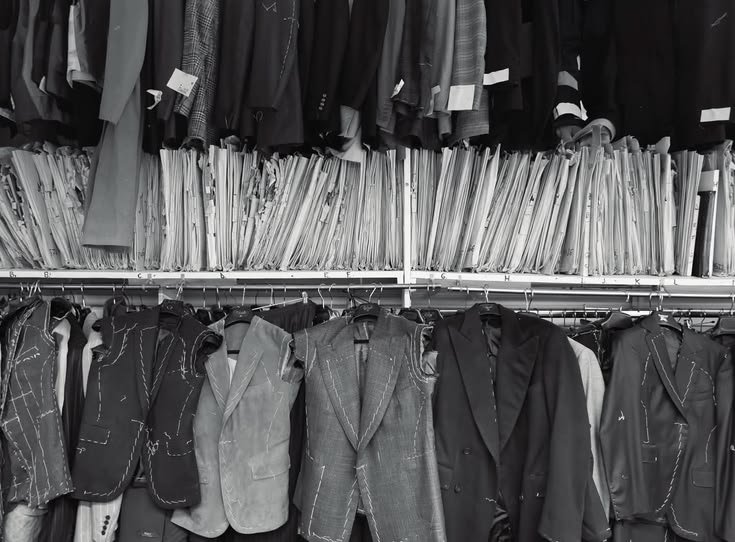
The word bespoke carries a meaning that extends beyond customisation. Traditionally, genuine bespoke clothing begins with an individual consultation, detailed measurements, and a pattern drafted specifically for the client. The garment is then constructed through a series of carefully considered stages, often involving several fittings before its final completion.
This distinguishes bespoke tailoring from ready-to-wear and conventional made-to-measure clothing. While ready-to-wear follows standardised sizing and made-to-measure generally adapts an existing pattern, bespoke creation is built around the individual from the beginning.
Every decision matters: the structure of a jacket, the fall of a trouser, the shape of a shoulder, the selection of buttons, and the movement of fabric. The objective is not simply to achieve a perfect fit but to create a garment that reflects the person wearing it.
London’s Heritage of Tailoring Excellence
Few places are as closely associated with bespoke tailoring as Savile Row in London’s Mayfair. For generations, the street has represented the discipline, precision, and heritage of British craftsmanship.
Its tailoring history developed during the nineteenth century, with established houses building reputations for individually constructed garments. The tradition attracted royalty, political figures, performers, and influential personalities who valued clothing created around their measurements and preferences.
British tailoring is often associated with structured silhouettes, considered proportions, and refined construction. However, its contemporary identity is considerably broader. Modern British designers have introduced new colours, creative cuts, and unconventional interpretations while preserving the technical discipline of traditional tailoring.
Savile Row therefore represents more than a historic fashion destination. It demonstrates how an established craft can maintain its identity while responding to changing generations and personal tastes.
Italy: The Elegance of Sartorial Expression
Italy approaches tailoring through a distinctive relationship between craftsmanship, fabric, and effortless elegance.
From Milan and Florence to Naples, Italian sartorial traditions have developed different interpretations of the tailored silhouette. Neapolitan tailoring, in particular, is widely associated with softer construction, natural shoulders, and a relaxed sense of sophistication.
Italian tailoring often places considerable emphasis on movement and comfort without sacrificing refinement. Lightweight fabrics, thoughtful proportions, and hand-finishing techniques contribute to garments that feel elegant without appearing overly formal.
The Italian approach also reflects a broader cultural appreciation for design. Tailoring is not treated merely as a technical service but as an expression of artistic judgement. The result is clothing that balances structure with individuality.
France: Where Tailoring Meets Couture
France occupies an important position in the global history of luxury fashion. Paris, recognised internationally for its couture houses and fashion institutions, has influenced the relationship between clothing, artistic expression, and personal presentation.
Although haute couture and traditional bespoke tailoring are distinct disciplines, they share an appreciation for individual creation, precision, and exceptional craftsmanship.
French fashion has contributed a particular sensitivity to silhouette, proportion, finishing, and the relationship between clothing and the human form. These influences extend into contemporary tailoring, where traditional jackets, formalwear, and personalised wardrobes increasingly incorporate elements of couture-inspired design.
The French interpretation of luxury is often found in the details: the balance of a silhouette, the refinement of a seam, and the confidence of a design that does not need excessive decoration.
India’s Heritage of Textiles and Personal Craftsmanship
India brings another important dimension to the global story of bespoke tailoring. Its relationship with personalised clothing is rooted in centuries of textile production, embroidery, handloom traditions, royal patronage, and regional craftsmanship.
From the fine fabrics of Varanasi and the intricate embroidery traditions of Lucknow to the luxurious textiles of Rajasthan and the craftsmanship associated with India’s historic royal wardrobes, the country’s fashion heritage offers an extraordinary vocabulary of materials and techniques.
Traditional Indian garments have long demonstrated the importance of clothing created for specific occasions, individuals, and cultural identities. Contemporary Indian designers and tailoring houses continue to interpret this heritage through structured jackets, personalised formalwear, bandhgalas, ceremonial clothing, and modern interpretations of traditional silhouettes.
The result is an evolving fashion language that brings together international tailoring techniques and distinctly Indian craftsmanship.
For a global luxury audience, this combination offers something particularly compelling: garments that communicate heritage without remaining confined to tradition.
Beyond Europe: The Global Language of Tailoring
The world of bespoke tailoring cannot be understood through European fashion capitals alone. Hong Kong, New York, Tokyo, and other international centres have developed their own relationships with custom clothing and individual craftsmanship.
Hong Kong has become particularly recognised for its tailoring services and international clientele. Its position as a global commercial centre helped connect traditional tailoring with travelling professionals, entrepreneurs, and customers seeking personalised garments.
Japan brings a different sensibility to fashion craftsmanship, where precision, construction, fabric appreciation, and attention to detail are valued across various areas of clothing design. Its contemporary fashion culture demonstrates how traditional techniques can coexist with experimental silhouettes and modern interpretations.
In the United States, bespoke tailoring has also evolved beyond conventional business suits. Contemporary clients increasingly explore personalised casualwear, formal clothing, and distinctive wardrobe pieces that reflect individual lifestyles.
These developments demonstrate that bespoke tailoring is not restricted to a single culture or aesthetic. Its principles can travel across borders while retaining their central purpose: creating something for one individual rather than producing something for everyone.
The Modern Client: Personal Identity Over Fashion Trends
The contemporary luxury consumer is increasingly interested in clothing that communicates individuality. While established luxury labels continue to hold cultural and commercial importance, personalised craftsmanship offers a different relationship with fashion.
A bespoke wardrobe can reflect professional identity, personal milestones, cultural heritage, and individual preferences. Some clients seek understated suits for professional settings, while others commission eveningwear, ceremonial garments, personalised jackets, or contemporary pieces that challenge conventional dress codes.
Women, too, are an important part of this changing landscape. Bespoke tailoring offers women the opportunity to move beyond standardised silhouettes and explore garments designed around their proportions, lifestyles, and personal aesthetic.
The modern bespoke experience is therefore not limited by gender, age, or occasion. It is shaped by the freedom to decide how one wishes to present oneself.
Craftsmanship, Longevity and the Future of Luxury
As conversations around sustainability and responsible consumption become more important to the fashion industry, bespoke tailoring presents an alternative to the constant cycle of seasonal replacement.
A garment commissioned for a particular individual can be designed with longevity in mind. Its fabric, construction, fit, and finishing are selected with a clear purpose. With appropriate care and alterations when necessary, a well-made piece may remain relevant for many years.
This does not automatically make every bespoke garment sustainable. The sourcing of materials, working conditions, production practices, and long-term care all matter. However, a model based on considered commissions and durable craftsmanship offers a meaningful contrast to disposable fashion.
Technology is also influencing the future of the industry. Digital measurement tools, virtual consultations, improved fabric sourcing, and international client services are making personalised fashion more accessible across borders. Yet the human expertise of a skilled cutter, pattern maker, and tailor remains central to the experience.
The future of bespoke tailoring will likely belong to those who understand how to preserve traditional knowledge while embracing new possibilities.
The Luxury of Being Individually Understood
Ultimately, bespoke tailoring is about more than the garment itself. It is about the experience of being understood: having one’s preferences considered, proportions respected, and individuality translated into design.
From London’s historic tailoring houses and Italy’s sartorial ateliers to India’s extraordinary textile heritage and Asia’s evolving fashion landscape, the craft continues to demonstrate that luxury has many cultural expressions.
In an age when fashion can be produced instantly and distributed everywhere, the value of something created patiently for one person becomes increasingly meaningful.
Bespoke tailoring reminds us that the most enduring form of style is not necessarily the newest, the loudest, or the most recognisable. Sometimes, it is the quiet confidence of wearing something that belongs entirely to you.