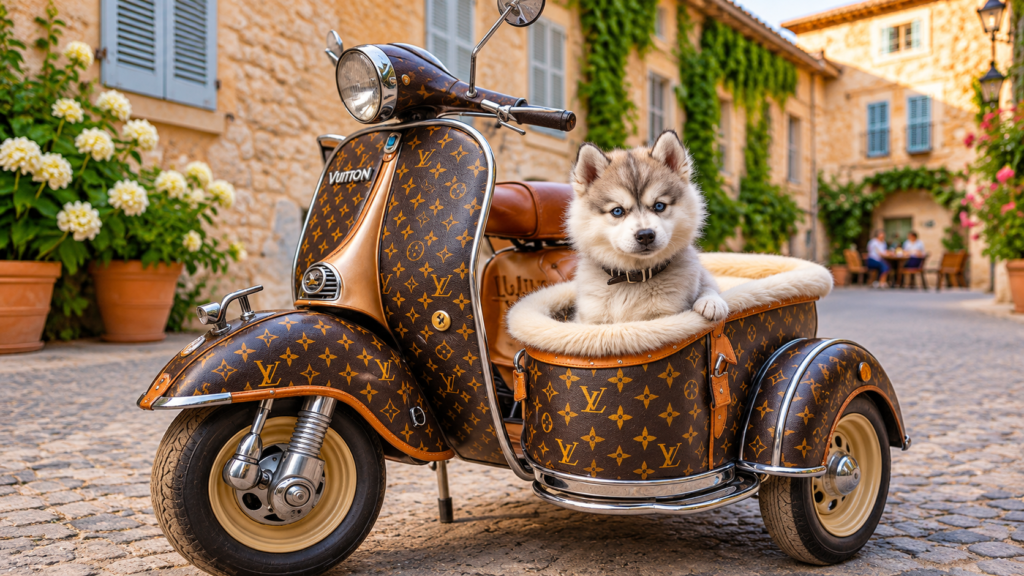
From private pet suites and designer accessories to specialised wellness services and international travel, the relationship between people and their animals is creating an entirely new luxury industry.
The Luxury Pet Economy is becoming an increasingly interesting part of the global consumer landscape. Pets are no longer viewed only through the traditional lens of ownership. For many households, they are companions, members of the family and central figures in everyday lifestyle decisions.
This emotional connection is influencing purchasing behaviour and creating opportunities across hospitality, healthcare, retail, travel and technology.
The transformation is particularly visible in premium consumer markets, where businesses are developing specialised products and services designed around the comfort, convenience and wellbeing of animals.
What was once a relatively simple consumer category is becoming a sophisticated commercial ecosystem.
When Pet Care Becomes a Lifestyle Industry
The changing relationship between people and pets has encouraged businesses to rethink the products and experiences they offer.
Premium pet nutrition, customised accessories, grooming services, specialised furniture and personalised care are now part of a broader lifestyle market.
The scale of the opportunity is significant. According to Euromonitor International, global pet care retail sales reached approximately USD 224.5 billion in 2026. The research also identifies premiumisation and changing consumer demographics as important forces shaping the industry.
However, the luxury segment is about more than expensive products. Its appeal lies in convenience, specialised attention, quality and the ability to create experiences that reflect the expectations of modern consumers.
For businesses, this creates opportunities to develop services that combine emotional connection with commercial value.
The Rise of Luxury Pet Hospitality
One of the most visible developments is the emergence of premium accommodation for animals.
Traditional boarding facilities are increasingly being complemented by establishments offering private suites, supervised activities, personalised feeding arrangements, grooming facilities and dedicated attention.
Some premium facilities also provide indoor play areas, landscaped outdoor spaces and carefully designed environments intended to make longer stays more comfortable.
In major international cities, pet hospitality is becoming part of a wider premium services industry.
For hotels and resorts, pet-friendly accommodation can also create a competitive advantage. Travellers who consider their animals part of the family increasingly look for destinations where they do not have to choose between a luxury holiday and responsible pet care.
This is creating opportunities for hospitality groups to rethink their accommodation policies and guest experiences.
The next stage of development may involve closer partnerships between luxury hotels, specialist pet-care providers and travel companies.
Fashion, Design and the Premium Pet Market
Fashion and interior design are also influencing the way people purchase products for their pets.
Designer collars, carefully crafted leads, premium carriers, tailored clothing and contemporary pet furniture have become part of a growing product category.
International fashion houses and specialist designers have explored pet accessories through collections and lifestyle offerings, bringing established design identities into a new consumer space.
The opportunity extends beyond fashion labels.
Interior designers are increasingly considering how pet beds, feeding stations and storage solutions can complement contemporary homes. Rather than treating these objects as separate accessories, some consumers prefer products that integrate naturally into their interiors.
This development reflects a wider shift in luxury consumption: even everyday objects are expected to combine functionality with design.
For emerging businesses, the challenge is to create products that offer genuine quality rather than relying entirely on branding or appearance.
The New Business of Pet Travel
Travel is another area being reshaped by changing attitudes towards pet ownership.
International movement with animals involves regulations, documentation, health requirements, airline policies and destination-specific restrictions. These considerations have created demand for specialist travel assistance.
Pet relocation companies, animal transport services and pet-friendly accommodation providers are becoming increasingly relevant to internationally mobile households.
In India, this opportunity is particularly interesting as more consumers explore domestic and international travel with their animals.
Grand View Research estimates that India’s pet travel services market generated approximately USD 85.5 million in 2025 and could reach USD 213.1 million by 2033.
The growth potential is encouraging, although practical barriers remain. Airline restrictions, animal welfare requirements and international entry regulations make pet travel more complex than ordinary holiday planning.
For hospitality and travel businesses, the opportunity is to create services that make these journeys safer, more convenient and more transparent.
Health, Wellness and Personalised Care
The premium pet industry is also developing around specialised care.
Veterinary services, preventive care, grooming, rehabilitation and tailored nutrition are increasingly important to consumers who want more informed and structured approaches to animal wellbeing.
Businesses are responding through specialised clinics, diagnostic services, pet insurance and technology-enabled care platforms.
Some services also offer digital health records, appointment management and remote consultations where appropriate.
This segment requires particular responsibility. Pet wellness services must be supported by qualified veterinary professionals, evidence-based practices and clear standards of care.
Luxury should never become a substitute for medical quality.
The strongest businesses in this category will be those that combine professional expertise with convenience and thoughtful customer service.
Technology Is Changing the Pet Industry
Technology is opening another dimension of the pet economy.
Smart feeding systems, activity trackers, GPS-enabled collars, automated cleaning products and connected monitoring devices are changing how owners manage everyday responsibilities.
These products are particularly attractive to people with demanding schedules or frequent travel commitments.
Technology can also support better communication between owners and professional care providers.
However, the industry must balance convenience with responsible data practices, product safety and the actual needs of animals.
The most successful innovations will not necessarily be the most complicated. They will be the ones that solve genuine problems and improve the quality of everyday care.
Gen Z, Millennials and a New Consumer Generation
Younger generations are influencing the future of the pet industry in significant ways.
For many Millennials and Gen Z consumers, pets occupy an important place in household decisions, social lives and lifestyle planning.
Their purchasing behaviour is also shaped by digital communities, online recommendations and a preference for products that reflect personal values.
The American Pet Products Association reported that US pet industry expenditure reached USD 158 billion in 2025, with a projection of USD 165 billion for 2026.
Its research also highlights the importance of younger consumers and changing ownership patterns.
However, the market is not growing without challenges. Rising costs are making some consumers more selective, particularly when choosing premium products and services.
This creates an important distinction between genuine luxury and unnecessary expenditure. Consumers increasingly expect quality, transparency and practical value.
The Responsibility Behind the Business
As the pet economy expands, its responsibilities must grow alongside it.
Premium services should be judged by animal welfare, professional standards, safety and the quality of care they provide.
The industry must also address responsible breeding, ethical sourcing, trained staff, transparent pricing and the long-term needs of animals.
A beautifully designed hotel or expensive accessory cannot replace proper care.
Businesses that understand this distinction will have a stronger foundation for lasting credibility.
A New Definition of Modern Luxury
The growth of the luxury pet economy reflects a wider change in how people define lifestyle and personal value.
Luxury is increasingly associated with convenience, thoughtful experiences, individual attention and the ability to make everyday life more meaningful.
For the pet industry, this creates opportunities that extend well beyond retail. Hospitality, travel, technology, design and specialised services are becoming interconnected parts of a developing international market.
The future will not belong simply to businesses selling the most expensive products. It will belong to those that understand the emotional relationship between people and animals while delivering responsible, high-quality services.
Pet parenthood is changing the way consumers spend, travel and make lifestyle decisions.
And the businesses recognising this shift are discovering an entirely new frontier in the global luxury economy.