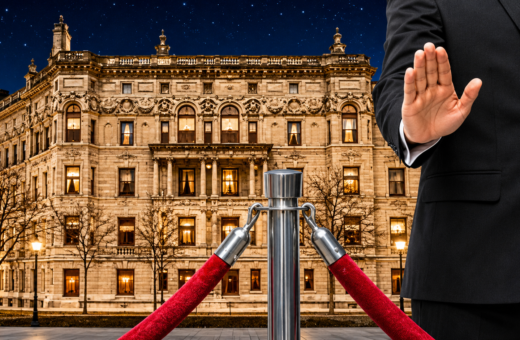

Inside the institutions, traditions and communities that have shaped the culture of private membership across the world.
Private clubs occupy a distinctive position in the social and cultural landscape. Often situated behind discreet entrances, within historic buildings or inside contemporary architectural spaces, they offer environments built around shared interests, established traditions and carefully cultivated communities.
Their appeal extends beyond luxury interiors, fine dining or exclusive facilities. At their heart, private clubs are institutions of belonging. They bring together individuals through professional interests, intellectual pursuits, sporting traditions, cultural appreciation and social connections.
From London’s historic members’ clubs to contemporary private communities in New York, Singapore, Dubai and Mumbai, the world of private membership continues to evolve. While the traditional model remains influential, a new generation of clubs is redefining what exclusivity means in an increasingly connected society.
The Origins of Private Club Culture
The modern private members’ club has deep historical roots, particularly in Britain, where membership institutions developed as important centres of social and intellectual life.
During the seventeenth and eighteenth centuries, coffeehouses and social meeting places became environments for exchanging ideas, discussing politics, conducting business and developing professional relationships. Over time, more formal membership-based institutions emerged.
London became particularly associated with this tradition. Historic establishments such as White’s, founded in 1693, and the Reform Club, established in 1836, became recognised parts of the city’s social history.
These institutions developed their own membership traditions, architectural identities and expectations of conduct.
Private clubs subsequently emerged in different forms across Europe, North America, Asia and other regions, adapting to local cultural environments and changing social expectations.
Architecture: Creating an Atmosphere of Distinction
Architecture is an essential part of private club identity.
Historic clubs often occupy buildings featuring elaborate staircases, wood-panelled libraries, traditional dining rooms, carefully restored façades and interiors that preserve a sense of continuity.
Their atmosphere is frequently shaped by details that might appear understated but contribute significantly to the experience: lighting, furniture, artwork, materials, spatial arrangements and the relationship between private and communal areas.
Contemporary clubs interpret this idea differently. Some favour minimalist interiors, modern art, open architectural layouts and carefully designed lounges. Others combine historic elements with contemporary hospitality.
Regardless of style, successful club architecture establishes a distinctive environment. It communicates the institution’s character before a member has even experienced its services.
Membership: More Than an Invitation
Membership is central to the identity of a private club.
Different institutions adopt different approaches to selection. Some prioritise professional achievements and established interests, while others focus on cultural participation, sporting involvement, recommendations from existing members or a combination of these considerations.
Membership structures can also vary considerably. Traditional clubs may maintain formal application and nomination procedures, while newer communities may offer more flexible models.
However, the most meaningful distinction is not simply who can enter. It is what members contribute to the community.
A strong private club creates opportunities for meaningful interaction. Its members bring professional experience, intellectual interests, cultural perspectives and personal relationships that enrich the institution.
Exclusivity alone cannot sustain a club. A sense of shared purpose and a welcoming internal culture are equally important.
The Global Landscape of Private Clubs
Private club culture has developed distinct identities across international cities.
In London, traditional members’ clubs remain connected with the city’s long history of professional, literary and social institutions. Their architecture and membership customs often reflect centuries of cultural development.
New York offers another interpretation through private social, business and cultural institutions. Clubs in the city frequently operate within a dynamic environment shaped by finance, entrepreneurship, the arts and international professional networks.
In Singapore, private membership environments reflect the city’s international business culture and diverse social landscape. They bring together professionals and communities operating across different regions.
Dubai has also become an important setting for contemporary private club culture, with hospitality-led environments combining dining, leisure, professional networking and modern design.
Mumbai presents a distinctive Indian perspective. Established institutions such as the Bombay Gymkhana and the Willingdon Sports Club reflect the city’s long-standing traditions of sporting and social membership. Contemporary private communities are also adapting to India’s expanding entrepreneurial, creative and professional environments.
These examples demonstrate that private clubs are not limited to one country or social tradition. Their identities reflect the cities and communities in which they operate.
Beyond Networking: Intellectual and Cultural Communities
One of the most valuable aspects of private club culture is its ability to bring people together around shared interests.
Some clubs are built around literature, art, architecture, music or intellectual discussion. Others centre on sporting activities, entrepreneurship, professional development or cultural exchange.
The resulting relationships can extend beyond the original purpose of membership.
A conversation between members may introduce an unfamiliar idea, lead to a creative collaboration or establish a professional relationship that develops over time.
This intellectual dimension distinguishes a meaningful private community from a conventional hospitality environment.
The best institutions understand that their value is not determined solely by their facilities. It is also shaped by the quality of conversations, experiences and relationships they encourage.
Privacy, Etiquette and the Culture of Conduct
Discretion remains an important characteristic of many private clubs.
Members often value environments where professional conversations, personal interactions and social experiences can take place away from constant public attention.
This expectation creates a particular culture of conduct. Respecting privacy, understanding appropriate behaviour, maintaining consideration for other members and recognising the institution’s traditions are important aspects of membership.
Etiquette, however, should not become an unnecessary performance of status. Its purpose is to create an environment in which people from different backgrounds can interact comfortably and respectfully.
A successful club balances established traditions with contemporary expectations, ensuring that its standards remain relevant without becoming unnecessarily restrictive.
The New Generation of Private Clubs
Private clubs are undergoing significant change.
Younger professionals, entrepreneurs, creatives and international communities are increasingly interested in membership environments that offer more than traditional social facilities.
Contemporary clubs may combine workspaces, wellness facilities, cultural programmes, restaurants, accommodation and curated events within one membership model.
Some are also developing international partnerships that allow members to access affiliated institutions in different cities.
Technology has become part of this evolution through digital membership platforms, reservation systems and communication networks. Yet the physical experience of meeting, exchanging ideas and building relationships remains central.
The next generation of private clubs will likely place greater importance on community identity, meaningful programming, cultural diversity and flexibility.
Preserving Tradition While Embracing Change
Private clubs face an important challenge: maintaining their identity while responding to changing social expectations.
Historic institutions must protect their architectural heritage and traditions while considering questions of accessibility, representation and relevance.
Newer clubs must establish credibility beyond attractive interiors and fashionable memberships. They need to develop genuine communities capable of sustaining interest over time.
Both models depend on the same essential principle: membership must offer meaningful value.
The future of private clubs will not be determined simply by the exclusivity of their entrances or the prestige of their addresses. It will depend on their ability to create environments where people genuinely want to participate.
The Meaning of Belonging
Private clubs represent an interesting intersection of architecture, culture, hospitality and human relationships.
Their histories reveal how communities have organised themselves around shared interests, while their modern interpretations demonstrate how those relationships continue to evolve.
Ultimately, the strongest private clubs are not defined by how difficult they are to enter, but by the quality of the community members discover once they belong.
In a world where communication is increasingly digital and professional relationships often extend across continents, spaces that encourage genuine human interaction retain a distinctive value.
Exclusivity may introduce a sense of distinction, but belonging is what gives a private club its enduring identity.