
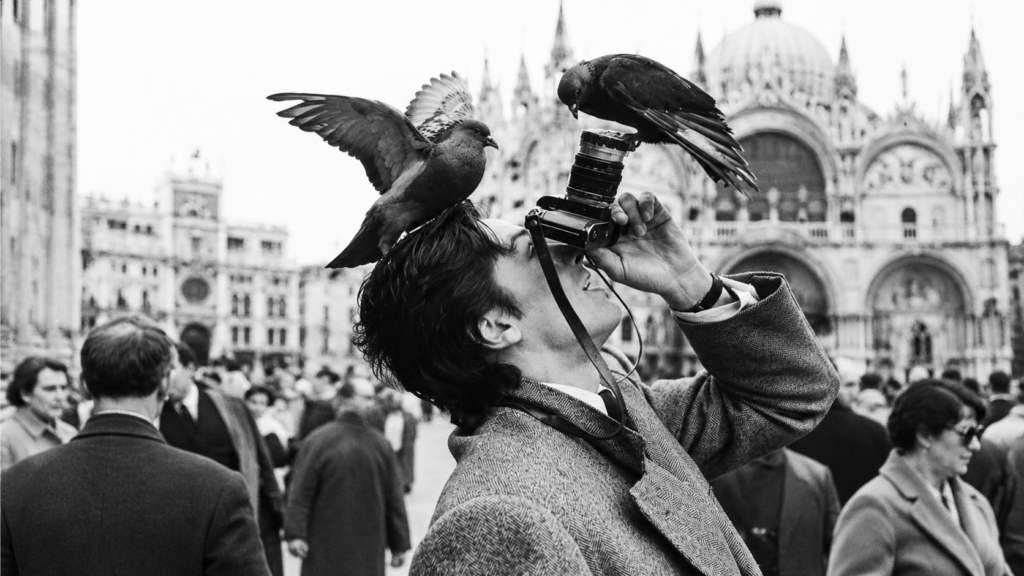
In a world where almost everything can be accessed through a screen, a growing appreciation for physical experiences is changing the way people listen, read, photograph, communicate and collect. The future may be digital, but the desire for something tangible has never disappeared.
The modern world has made convenience almost effortless. Music is available through streaming platforms, photographs can be taken in seconds, books can be downloaded instantly and communication happens across continents with a single touch.
Yet something unexpected is happening. Vinyl records are returning to living rooms, film cameras are finding new audiences, printed magazines are attracting renewed interest and handwritten journals are becoming meaningful personal possessions.
This movement, increasingly described as the analog renaissance, reflects a changing relationship with technology. It does not necessarily represent a rejection of digital progress. Instead, it suggests that people are looking for a better balance between convenience and experience, speed and patience, accessibility and ownership.
The physical world is becoming desirable again, not because technology has failed, but because certain experiences cannot be entirely replicated by a screen.
The Return of Vinyl: Listening Becomes an Experience
Perhaps the most recognisable symbol of the analog renaissance is the vinyl record.
Once considered an outdated format in an industry dominated by digital streaming, vinyl has developed a renewed cultural and commercial presence. Its appeal extends beyond sound quality. The experience of selecting a record, examining its artwork, placing it on a turntable and listening to an entire album creates a deliberate relationship with music.
The International Federation of the Phonographic Industry reported in its 2026 Global Music Report that physical music revenues increased by 8% globally in 2025, with vinyl revenues growing by 13.7%.
This development is particularly interesting because younger audiences are participating in the revival. For many, vinyl is not a childhood memory but an entirely new discovery.
Artists and record labels have also embraced the format through special editions, coloured pressings, elaborate packaging and collectible releases. Albums have become physical objects of artistic expression rather than simply collections of digital tracks.
The record is no longer just a way to hear music. It is part of the ritual of enjoying it.
Film Photography and the Beauty of Imperfection
Digital photography has made image-making accessible to almost everyone. Smartphones offer impressive cameras, instant editing and virtually unlimited storage.
Yet film photography continues to attract a new generation of enthusiasts.
Unlike digital photography, traditional film requires a more considered approach. Each exposure has a cost, and the photographer must think carefully about light, composition and timing. The image is not immediately available for review, making the process more deliberate.
The resulting photographs often carry distinctive grain, colour variations and imperfections that contribute to their character.
The attraction is not necessarily technical superiority. It is the feeling that every photograph represents a decision rather than another image added to an endless digital gallery.
Film photography has also encouraged interest in darkroom processes, photographic printing and physical albums. These practices restore an element of craftsmanship to an activity that has become almost entirely automated.
For many photographers, the appeal lies in creating fewer images and assigning greater meaning to each one.
Printed Books and the Pleasure of Physical Reading
The digital reading experience offers portability and convenience, but printed books continue to occupy an important place in contemporary culture.
Independent bookshops, beautifully designed editions, literary magazines and carefully curated personal libraries reflect an appreciation for reading as a physical experience.
A printed book has an identity beyond its content. Its cover design, paper quality, typography and binding contribute to the reader’s relationship with it.
The experience of turning pages, annotating passages and returning to a familiar volume creates a sense of continuity that digital files do not always provide.
For younger readers especially, physical books can also represent a deliberate opportunity to step away from notifications and constant online activity.
The renewed interest in print does not suggest that digital publishing will disappear. Rather, it demonstrates that different formats can serve different needs.
Handwritten Letters and the Return of Personal Expression
Communication has never been faster. Messages can travel across the world instantly, but the personal character of written correspondence remains difficult to replace.
Handwritten letters, personal journals and fountain pens are attracting renewed appreciation among people who value individual expression and thoughtful communication.
A handwritten letter requires time. The writer must consider the words, the recipient and the intention behind the message. Paper, handwriting and even the choice of ink become part of the communication.
Stationery has consequently retained an important place in the world of personal luxury. Fine writing instruments, handcrafted paper and traditional correspondence sets represent a different understanding of sophistication.
The value is not simply in the object itself. It lies in the thought and effort invested in using it.
In an age of automated messages, a handwritten note can communicate something particularly meaningful: that someone took the time to create something specifically for another person.
Mechanical Watches and the Appreciation of Craftsmanship
The analog renaissance also has an interesting relationship with luxury craftsmanship.
Mechanical watches are a clear example. While digital devices offer far greater functionality, traditional watchmaking continues to command international admiration.
A mechanical timepiece operates through an intricate arrangement of gears, springs and carefully engineered components. Its movement represents generations of horological knowledge and specialised craftsmanship.
Collectors appreciate not only the precision of a watch but also its finishing, design, movement architecture and heritage.
This fascination extends beyond watches to mechanical cameras, fountain pens, turntables and other objects whose operation depends on physical engineering.
Their appeal lies partly in their visibility. The mechanisms can be understood, maintained and appreciated rather than hidden entirely behind software.
The analog object becomes a celebration of human skill and mechanical ingenuity.
Why Younger Generations Are Embracing Analog Culture
One of the most interesting aspects of this cultural shift is the involvement of people who have never experienced a world without digital technology.
For younger generations, vinyl records, film cameras and older music players are often discoveries rather than nostalgic possessions.
Their attraction may come from several influences: digital fatigue, the desire for individuality, the appeal of collecting and an interest in activities that encourage greater attention.
Physical objects also create opportunities for social interaction. Record shops, photography communities, independent bookstores and vintage markets bring people together around shared interests.
There is an important distinction between appreciating older technology and rejecting modern technology. Many enthusiasts use social platforms to discover independent record stores, photography techniques and specialist communities.
The analog renaissance is therefore not an attempt to reverse technological progress. It is an effort to make modern life feel more intentional.
The Business of Tangibility: A New Cultural Market
The growing appreciation for physical experiences has created commercial opportunities across several industries.
Music companies are investing in collectible vinyl editions. Photography manufacturers are responding to interest in film and instant cameras. Publishers are experimenting with premium printed editions, while independent retailers are building communities around physical products.
Luxury brands have also long understood the appeal of tangible experiences. Packaging, materials, craftsmanship and presentation can transform an ordinary purchase into something memorable.
However, the commercialisation of analog culture presents its own contradiction. When every physical object becomes a limited edition or status symbol, the original attraction of simplicity can become another form of consumer competition.
The most meaningful expression of the movement may therefore be found in everyday practices rather than expensive collectibles.
A personal journal, a favourite record or a carefully preserved photograph can carry as much emotional value as a rare luxury object.
A More Balanced Relationship With the Digital World
The analog renaissance does not suggest that society should abandon smartphones, digital communication, artificial intelligence or streaming services.
These technologies have transformed education, business, creativity and international connectivity. Their contribution to modern life is undeniable.
The question is how individuals and societies can use them without allowing convenience to replace every other form of experience.
Physical activities can introduce variety into routines increasingly organised around screens. Reading a printed book, listening to an entire album or taking photographs with a film camera encourages a different pace of engagement.
The value lies in choice.
People do not need to become entirely analog to appreciate the benefits of physical experiences. A balanced lifestyle can include digital efficiency alongside traditional craftsmanship and personal rituals.
The Future Belongs to Both Worlds
The future is unlikely to be exclusively digital or analog. Instead, the two will continue to influence one another.
Technology will keep improving the way people communicate, create and access information. At the same time, physical objects and experiences will retain their importance because they offer qualities that digital platforms cannot completely reproduce.
The analog renaissance reveals something significant about contemporary society. Progress is not always about replacing what came before. Sometimes it involves rediscovering the value of what was left behind.
In the end, the attraction of the physical world is not simply nostalgia. It is about attention, ownership, craftsmanship, individuality and meaningful human experiences.
Perhaps the greatest modern luxury is not having access to everything instantly, but having the freedom to slow down, appreciate something tangible and give it our undivided attention.