In an age where information travels through screens and attention is constantly divided, printed books are finding renewed relevance. A new generation is rediscovering the pleasure of turning pages, collecting stories and making reading a personal experience.
For years, the rise of digital technology suggested that printed books would gradually surrender their place in everyday life. E-readers, audiobooks, online libraries and instant access to information transformed how people consumed literature. Yet, something unexpected is happening. Printed Books are finding their way back into the cultural lives of readers, particularly among younger generations who have grown up surrounded by smartphones and digital entertainment.
The appeal is no longer restricted to traditional readers or academic environments. Young professionals, university students, creative communities and first-time readers are increasingly embracing physical books as objects of enjoyment, discovery and personal expression. What was once considered an ordinary reading habit is developing into a distinctive cultural preference.
A Generation Rediscovering the Pleasure of Reading
One of the most interesting developments in contemporary reading culture is the renewed interest among younger audiences.
Generation Z has grown up with unlimited digital access, streaming platforms and social media. However, constant connectivity has also created an environment in which uninterrupted attention has become increasingly difficult to maintain.
A physical book offers a different experience. There are no notifications interrupting a chapter, no additional browser tabs competing for attention and no automatic transition into another piece of content.
Research presented at the 2026 Society of Children’s Book Writers and Illustrators industry conference highlighted this shift. According to findings discussed at the event, 65% of surveyed Gen Z respondents had read at least one printed book during the previous year, compared with 59% in 2022. The findings also identified physical books as a preferred reading format among younger audiences.
This suggests that digital familiarity does not necessarily translate into a preference for digital reading. For many young people, choosing a physical book is becoming a deliberate way to create distance from their screens.
The Bookstore Is Becoming a Cultural Destination
The modern bookstore is evolving beyond its traditional commercial purpose.
Independent bookshops are increasingly functioning as cultural spaces where readers can discover unfamiliar authors, attend literary discussions, participate in book clubs and spend time away from the speed of digital environments.
In cities such as London, New York, Paris and Tokyo, independent bookstores contribute to neighbourhood identity. Their carefully curated collections, distinctive interiors and intimate atmosphere offer experiences that large online marketplaces cannot easily reproduce.
Bookstores are also becoming attractive social destinations. People visit them not always with a specific title in mind, but to browse, discover and experience the environment.
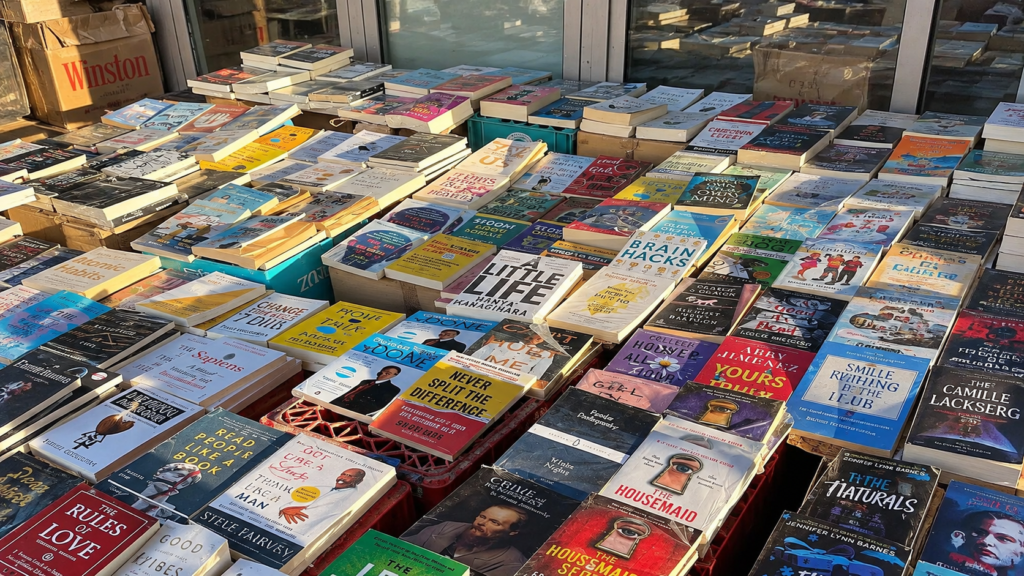
In India, this culture has its own distinctive character. Established literary spaces, independent bookstores and specialist bookshops in cities such as Delhi, Mumbai, Kolkata and Bengaluru continue to serve readers with diverse interests. From contemporary fiction and translated literature to philosophy, history and regional writing, physical bookstores remain important points of cultural exchange.
Their importance extends beyond sales. They help preserve the relationship between readers, authors and the communities that support literature.
Social Media Is Giving Books a New Audience
An unexpected contributor to the return of physical reading has been social media itself.
Platforms such as Instagram and TikTok have created communities in which readers share recommendations, discuss characters, review novels and display their personal bookshelves.
The popularity of BookTok has demonstrated how digital conversations can generate demand for physical products. A novel published years earlier can suddenly find a new audience because of a recommendation video or a discussion within an online reading community.
Publishers have recognised the influence of these communities. Book covers, special editions, author appearances and reading challenges are increasingly designed to encourage participation beyond the act of purchasing a title.
The phenomenon also challenges the assumption that younger audiences are losing interest in literature. Their reading habits may be changing, but their interest in stories, characters and imaginative worlds remains commercially and culturally significant.
The Appeal of Owning Something Physical
There is another dimension to the renewed popularity of printed books: ownership.
Digital libraries offer convenience, but a physical collection creates a visible record of personal interests, intellectual curiosity and individual taste.
A bookshelf can reflect a person’s journey through different subjects, cultures and periods of life. Some readers preserve books because of the memories associated with them, while others enjoy collecting editions with distinctive covers, illustrations or bindings.
Publishers have responded by introducing beautifully designed hardcovers, illustrated editions, special releases and carefully produced book collections.
For some readers, these editions are becoming objects of aesthetic appreciation. The typography, paper quality, cover design and illustrations contribute to the experience just as much as the writing itself.
This has also strengthened the connection between literature and interior design. Bookshelves are increasingly incorporated into contemporary homes, private libraries, offices and hospitality spaces as expressions of intellectual character and personal identity.
However, the renewed appreciation of attractive editions should not overshadow the fundamental value of reading. A beautifully designed book still derives its greatest significance from the ideas and stories contained within it.
What the Global Publishing Numbers Reveal
The changing relationship between readers and physical books is also visible in international publishing data.
According to NielsenIQ BookData’s international market analysis published in October 2026, printed-book revenue increased in 11 of the 19 territories examined during the first half of the year.
India recorded particularly strong results, with printed-book revenue rising by 16.7% and unit sales increasing by 8.3% year on year. Brazil also recorded notable growth.
The American market presented a more measured picture. Publishers Weekly reported that US print-book unit sales through September 2026 were approximately 0.1% below the comparable period in 2025, indicating a largely stable market rather than a dramatic decline.
These figures reveal an important distinction: the return of physical reading does not mean that every publishing market is experiencing uninterrupted growth. Instead, it reflects changing consumer preferences, genre-specific demand and the continued commercial relevance of print.
Adult fiction, graphic novels and manga have emerged as particularly significant areas of interest in several international markets.
The broader lesson is that printed publishing is adapting rather than disappearing.
Reading as a Form of Personal Luxury
In contemporary culture, luxury is increasingly associated with experiences that offer time, attention and personal fulfilment.
Reading fits naturally into this changing understanding. Spending an afternoon with a novel, building a private library or discovering an unfamiliar author can become an expression of a more considered lifestyle.
The appeal is not necessarily about owning expensive books. It is about having the freedom to slow down, explore ideas and engage with something without the pressure of immediate responses.
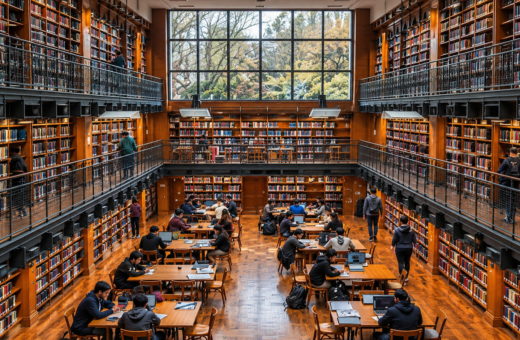
Private libraries, reading rooms and carefully arranged bookshelves are also finding renewed appreciation within residential architecture and hospitality environments. In these spaces, books contribute to an atmosphere of character, learning and quiet sophistication.
For collectors and passionate readers, a book can become something worth preserving for decades, passing between generations and revisiting at different stages of life.
The Future Belongs to Both Print and Digital
The renewed interest in printed books should not be interpreted as a rejection of technology.
Digital platforms have made literature more accessible, particularly for readers living far from major bookstores or seeking publications that may not be readily available in their local markets. E-books and audiobooks also serve important purposes for people with different reading preferences and accessibility requirements.
The future of publishing is therefore unlikely to be defined by one format replacing another.
Instead, readers are increasingly choosing how they want to experience literature depending on their circumstances. A digital edition may offer convenience during travel, while a printed hardcover may become the preferred companion at home.
For publishers, booksellers and authors, the opportunity lies in understanding these different expectations rather than treating them as competing markets.
A Story That Continues Beyond the Page
The return of printed books is ultimately about more than paper, binding or publishing figures. It reflects a wider cultural desire to reconnect with experiences that demand attention and reward patience.
A physical book cannot replicate the speed of a digital feed, nor does it need to. Its appeal lies in the opposite qualities: permanence, presence and the freedom to move through a story at an individual pace.
As younger generations rediscover bookstores and readers continue building personal libraries, the printed book is finding a renewed place in contemporary life.
Technology may continue to transform how stories are distributed, but the desire to hold a story, turn its pages and keep it close remains remarkably enduring.